

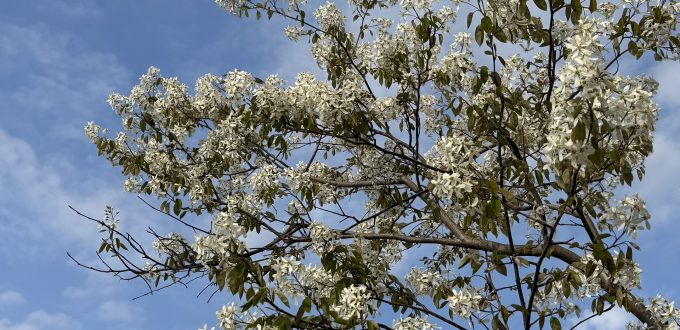
This information is for gardeners – from young couples planting flowers for enjoyment to cooks growing their own herbs – and amateur naturalists observing wildlife in their gardens. It warns about the dangers of common flowers and nursery varieties that can threaten our native vegetation – known as “natural invaders” – which may already be in your backyard, ready to spread to nearby woodlots and ravines.
Ontario’s landscape is vibrant with various plants and flowers in spring and summer, enticing us to add them to our gardens. However, it’s essential to consider how these plants arrived and why some are now problematic.
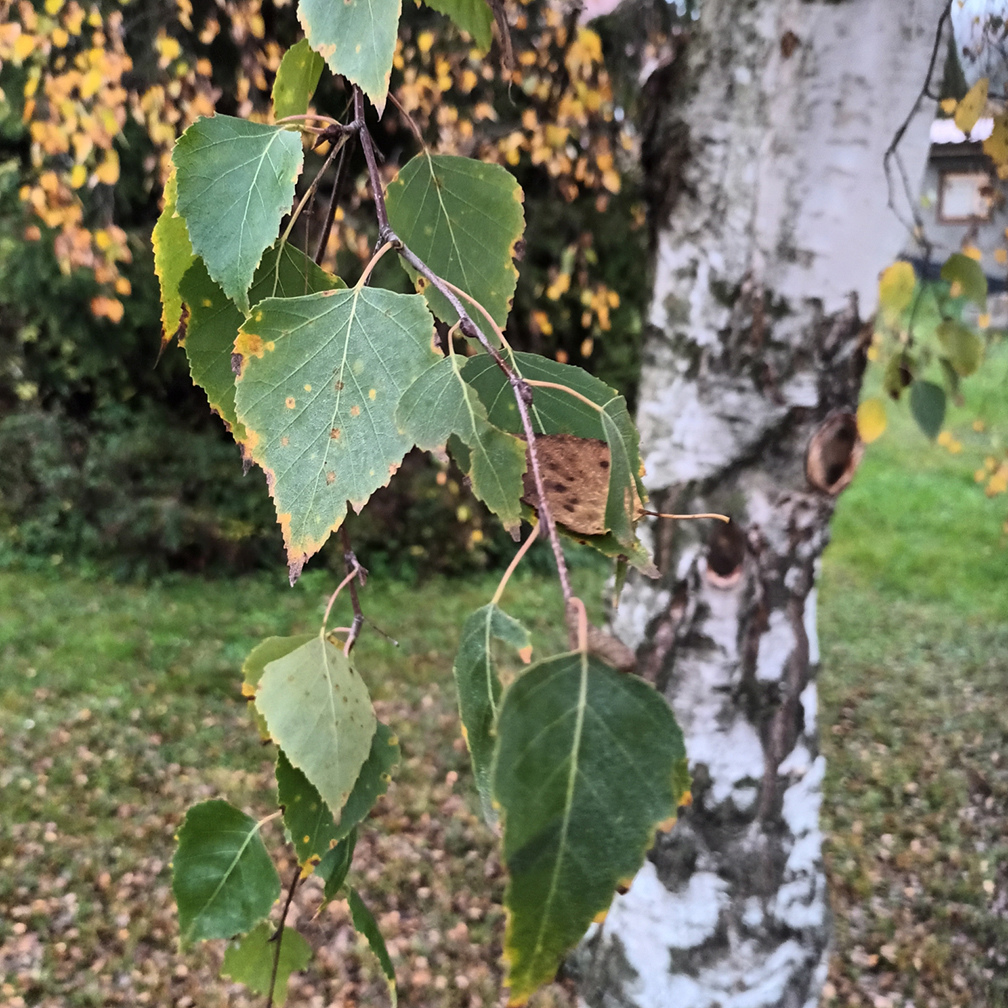
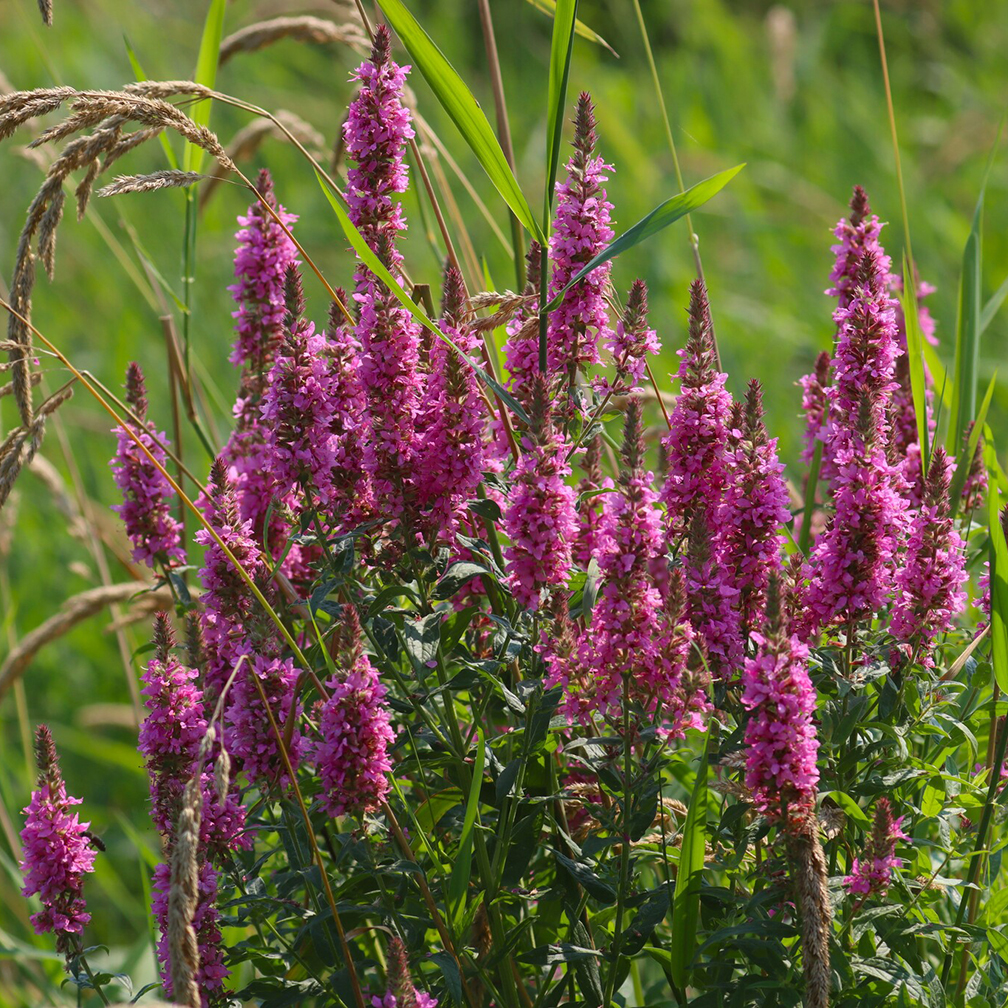
Out of about 2,600 plant species in Ontario, around 700 are non-native exotics, including invasive species that threaten native ecosystems. While some exotics, like hostas, can be harmless if contained, others have aggressive reproductive traits that allow them to displace native plants. Notable invasive species include European birch and purple loosestrife, which have overwhelmed entire ecosystems like Wainfleet Bog and wetlands, leading to a decline in biodiversity and habitat for wildlife.
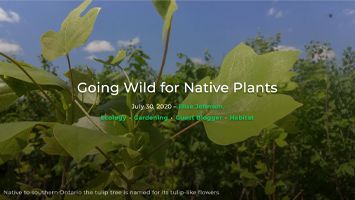
You can learn more at: ontarionature.org/going-wild-for-native-plants-blog.
Contents
Introduction | History | Modern Invasive Plants |
Management and Control of Invasive Plants | What You can Do
Ornamental Trees | Ornamental Shrubs | Groundcovers | Grasses |
Wet Meadows and Water Gardens | Inadvertent Introductions | Resources
History of Invasive Species
The story of how different trees, shrubs, and herbs found their way into our gardens and natural areas is as diverse as the plants themselves.
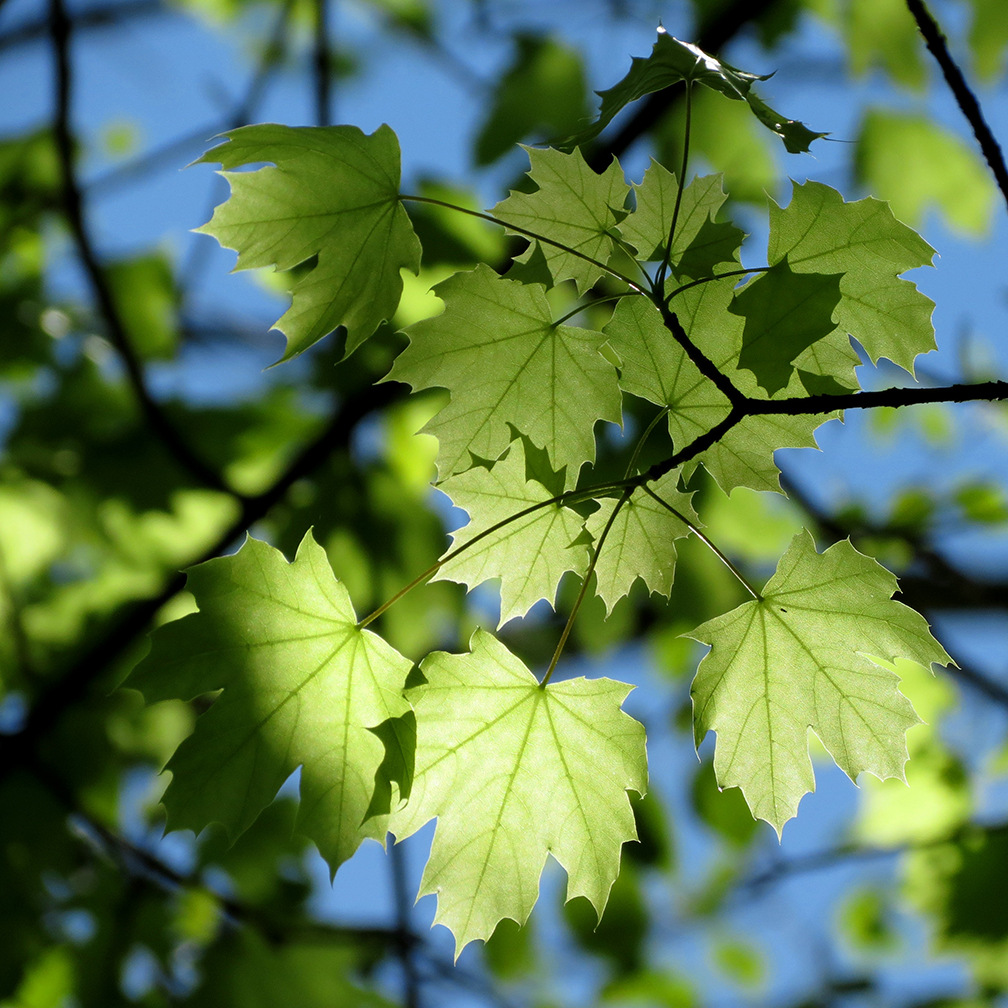
Native species spread primarily through their fruits and seeds, dispersed by water, wind, and animals, including humans. Streams and rivers transport seeds over long distances, especially during floods. Many trees have winged fruits, like maple keys, that the wind carries. Seeds in fleshy fruits often survive digestion by birds and other animals, allowing them to be deposited far from the parent plant. Some fruits also have hooks or spines that cling to animals’ fur, facilitating their dispersal.
Many of them migrated to our shores during European settlement, bringing with them the traits that made them so successful in their home countries. Some were brought as ornamentals that reminded early settlers of home. Others were brought for food, forage, pasture crops, pot herbs, condiments, or medicinal or ceremonial purposes.
Many came as stowaways in the rigging or ballast of ships. In the early days, vessels sailing light carried tons of earth as ballast—earth that was shoveled overboard upon making port and which naturally contained the seeds of numerous foreign plants and other weed seeds arrived in the soil of imported plants.
Recently, seeds and fruits have been transported via car grilles, sold in commercial wildflower mixes, or used as landscaping materials. Most non-native species would not have reached this continent without human assistance. Human activities have significantly changed our landscapes, allowing invasive species to thrive. We have cut down forests, plowed land, built cities, and created artificial habitats like farms and gardens.
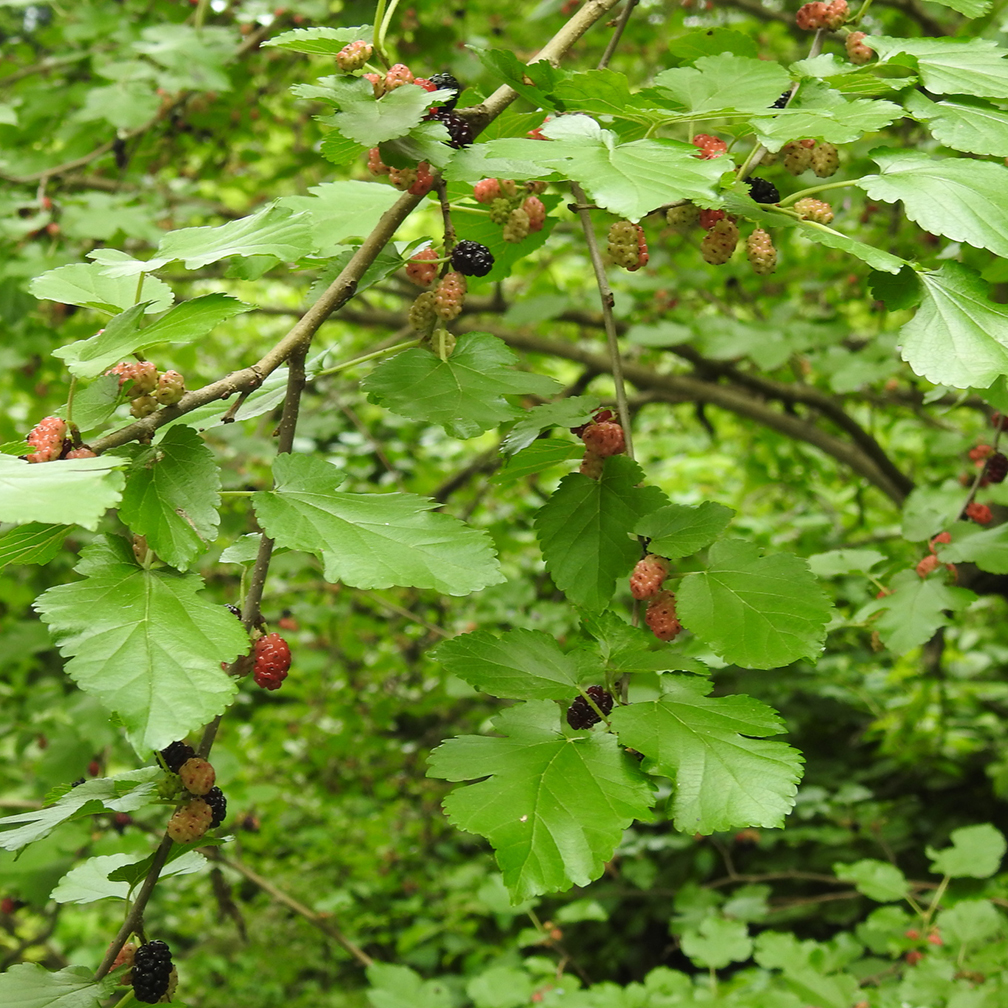
Altered landscapes are more susceptible to invasion because they often have fewer established native species to control non-native growth. While habitats with healthy native species can better suppress invasives, they are not immune to invasion. For example, the native red mulberry is becoming rare in Ontario due to hybridization with the introduced white mulberry.
Many of these plants survived and even thrived in their new environment, becoming naturalized in our landscape. Unfortunately, they left behind the former natural controls (usually insects) that kept them in check in their native habitats.
There are five main methods for controlling invasive exotic species:
- Chemical herbicides
- Physical removal
- Biological agents
- Prescribed burning
- Ecological or integrated pest management
In recent years, the use of herbicides has raised environmental concerns, so it is not the first method recommended. However, herbicides can be quite effective when applied to cut stumps to prevent shoot and root sprouting. Physical control methods are labour-intensive and may not always be effective, as stem and root fragments of certain species can re-infest previously controlled areas or spread to new ones.
Prescribed burning is typically used in open areas such as prairies, alvars, and savannahs, where the invasion of small trees and shrubs threatens these habitats. For safety reasons, it is recommended that only trained professionals carry out prescribed burns.
Biological control involves introducing living organisms to target populations of invasive species. This approach should be considered with caution, as there have been instances where the control agents preferentially target native species instead of the invasive ones, themselves becoming invasive. Ecological and integrated pest management combines any or all of the above methods with preventative measures to manage invasives effectively.
Before removing an exotic species, it is essential to consider ways to restrict its growth and reproduction to keep it in check. Some effective strategies include reducing site disturbances and re-establishing natural conditions in the area. This process requires patience, as restoring an area to its natural state can be lengthy and should typically involve reintroducing native species that can compete with the invaders present. Once controlled, monitoring and corrective action of the site is critical to prevent the re-establishment of the undesirable species.
Ornamentals
The variation of size, form and colour of plants is endlessly surprising and beautiful, inspiring us to add them to our gardens. However, some of the species that we choose to plant for beautification purposes tend to pose more problems than they provide pleasure.
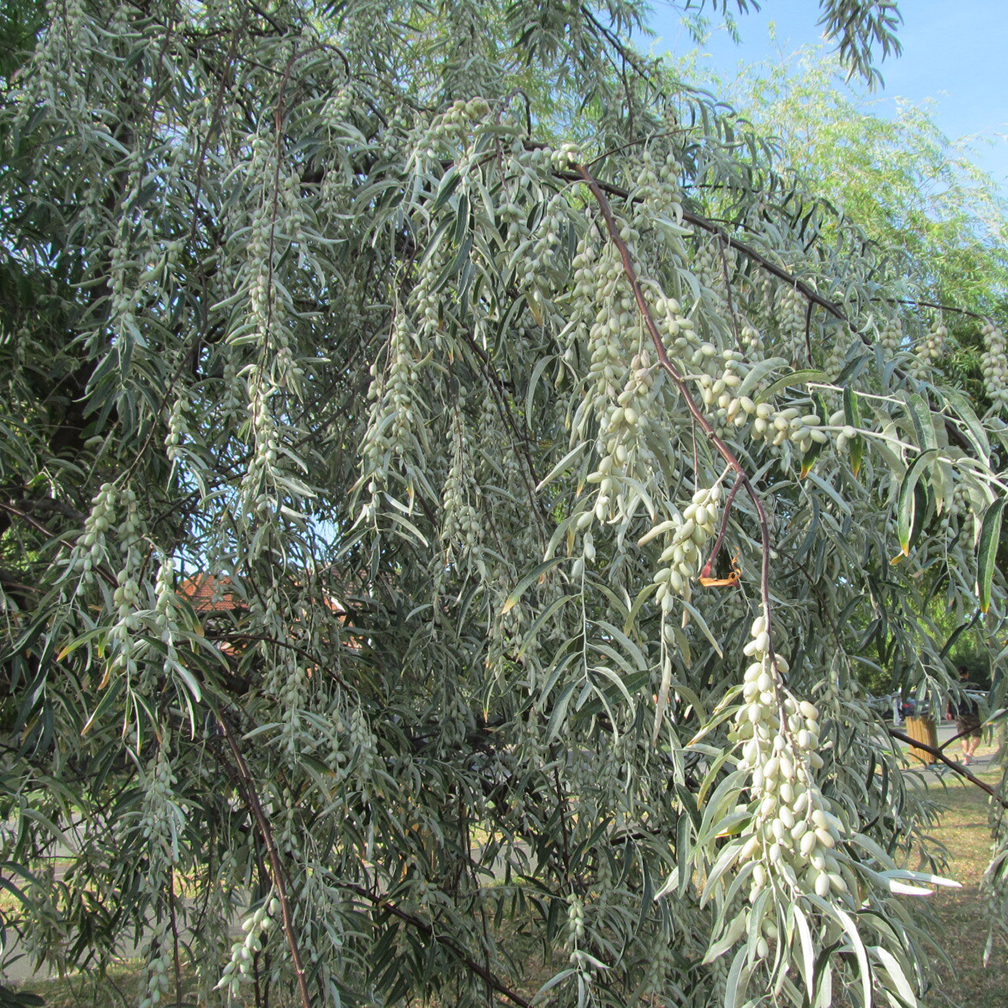
Ornamental Tree Species To Avoid or Remove

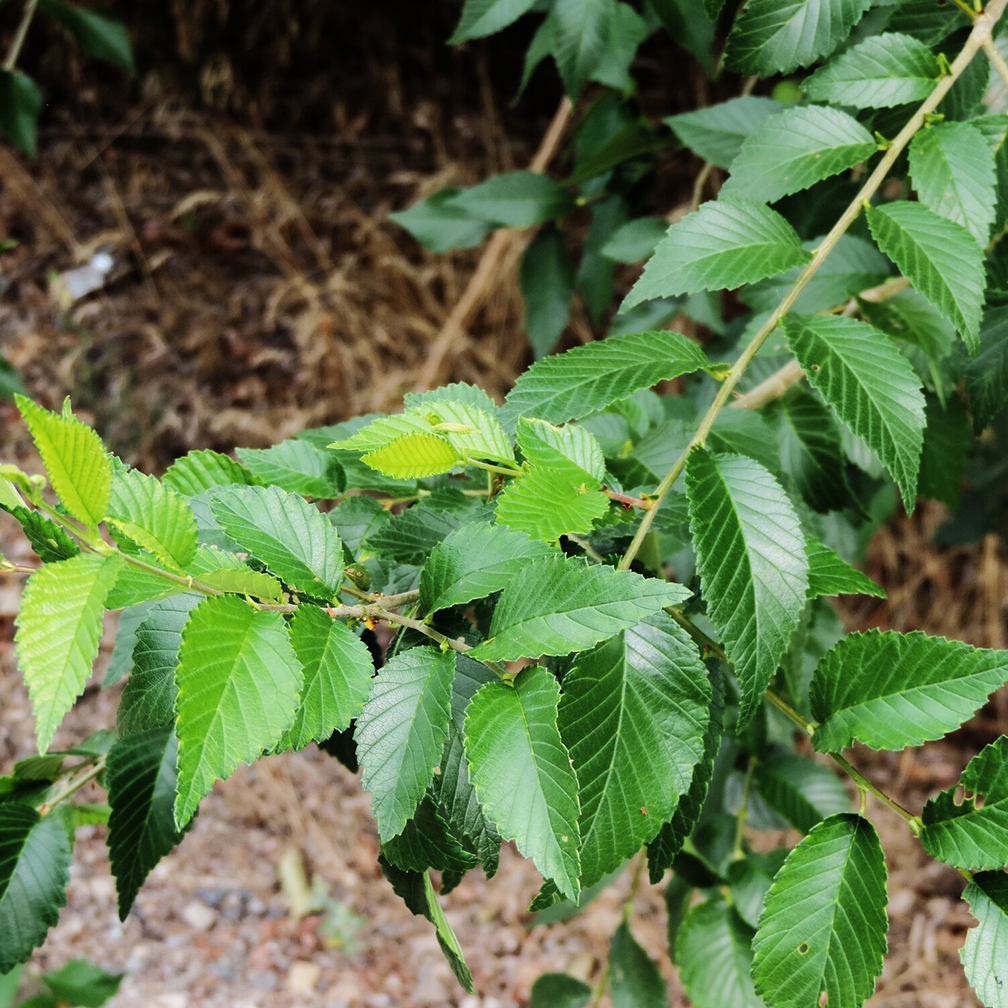
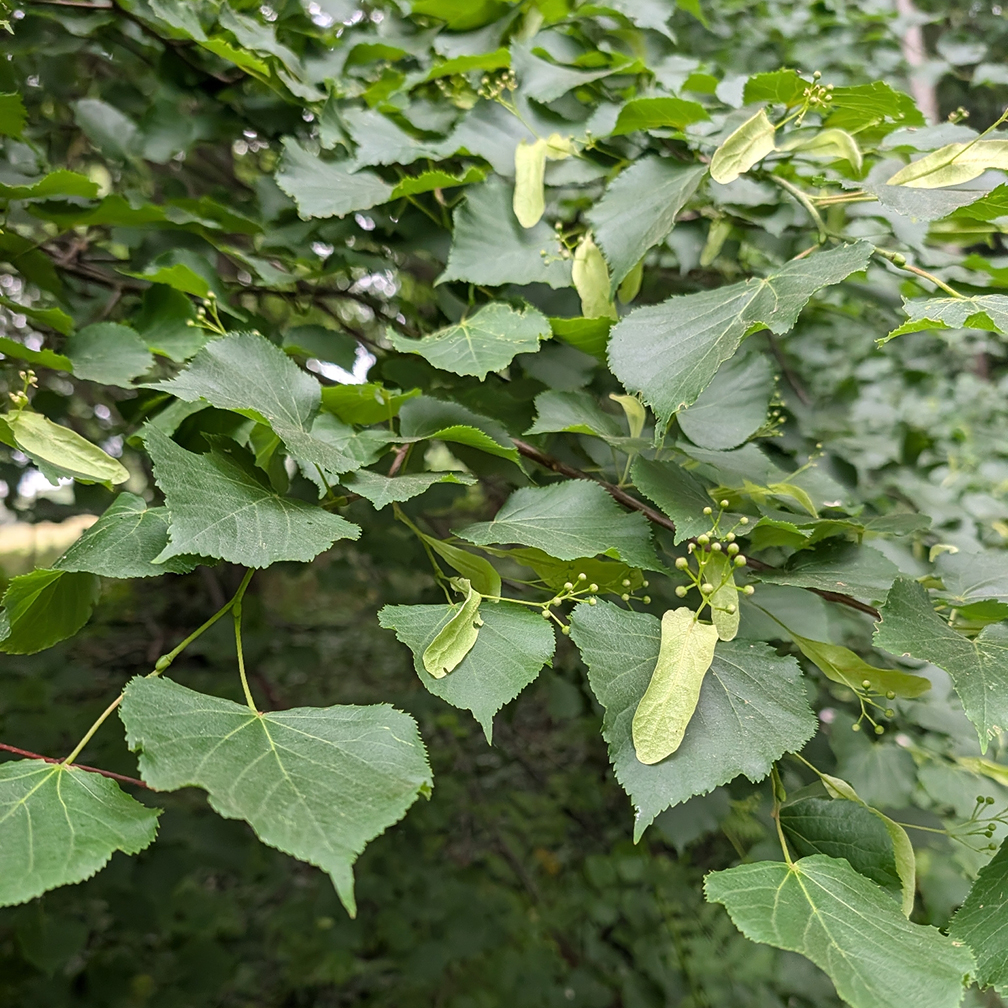
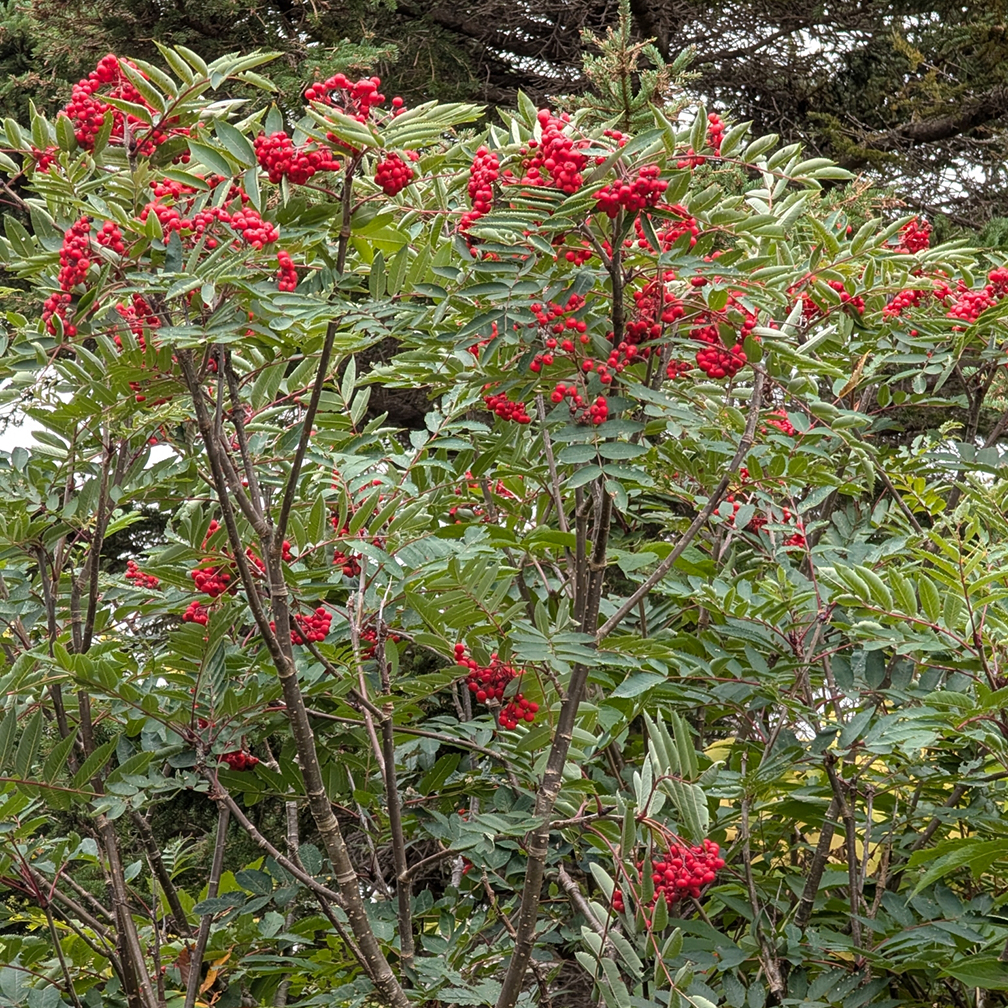
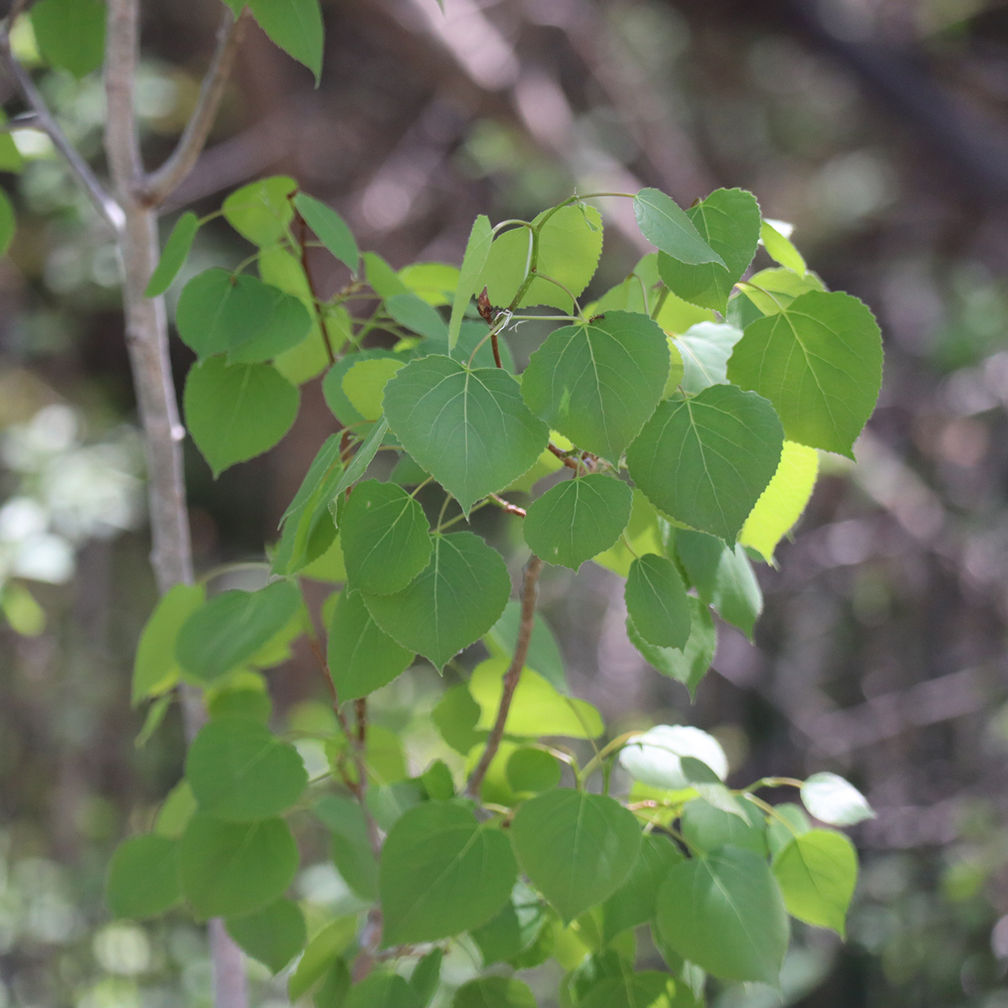
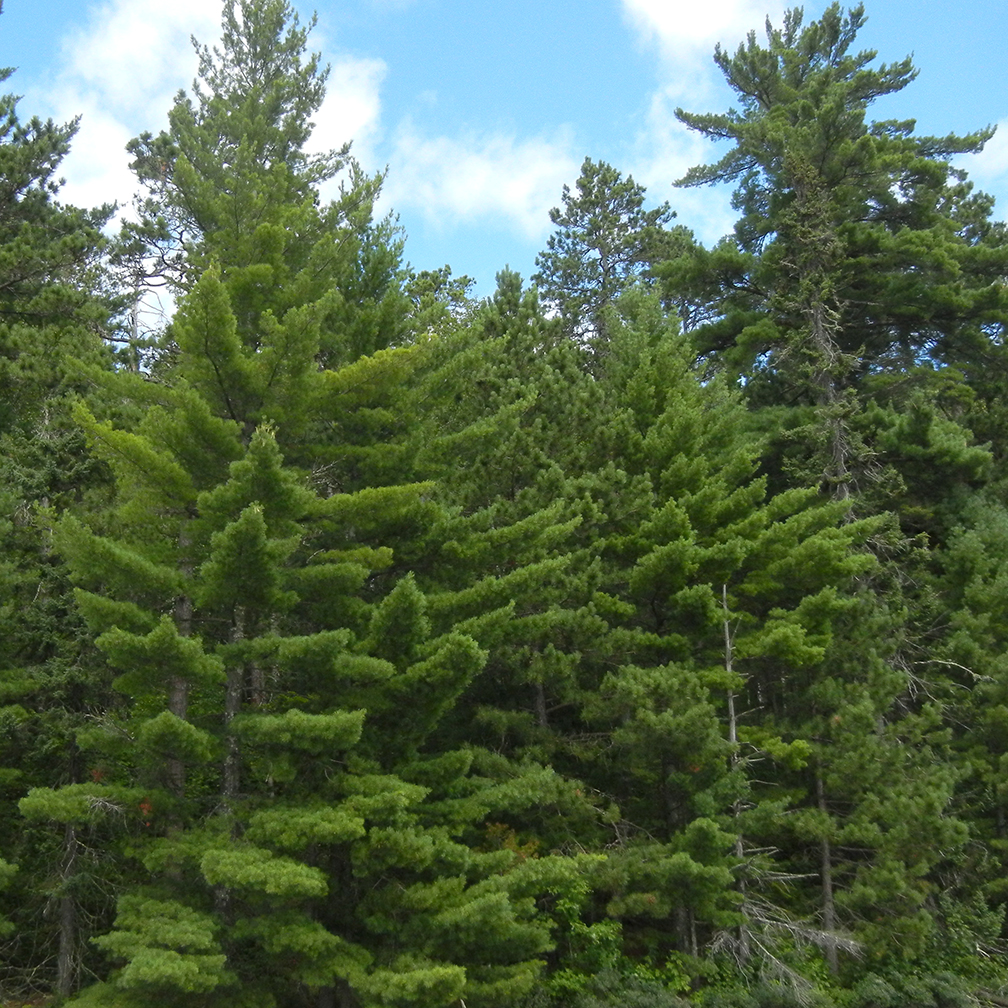
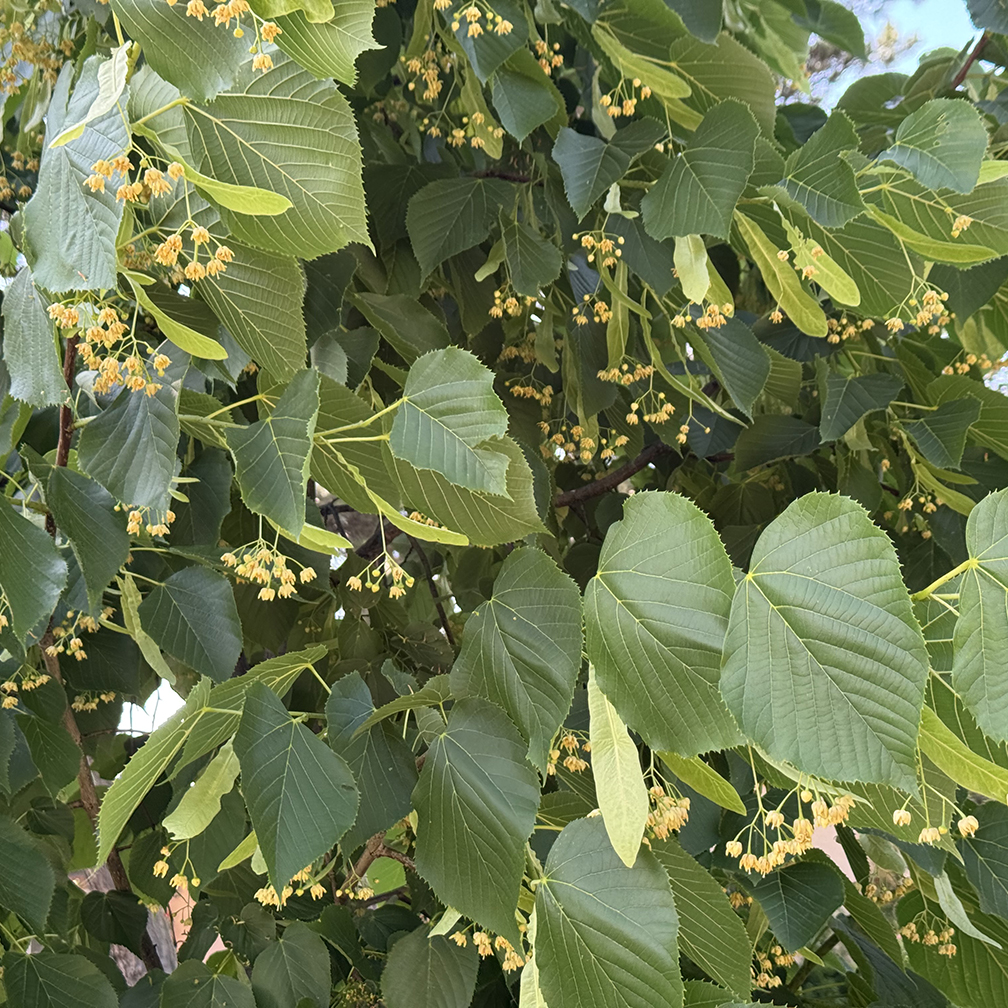
Ornamental Tree Species To Plant
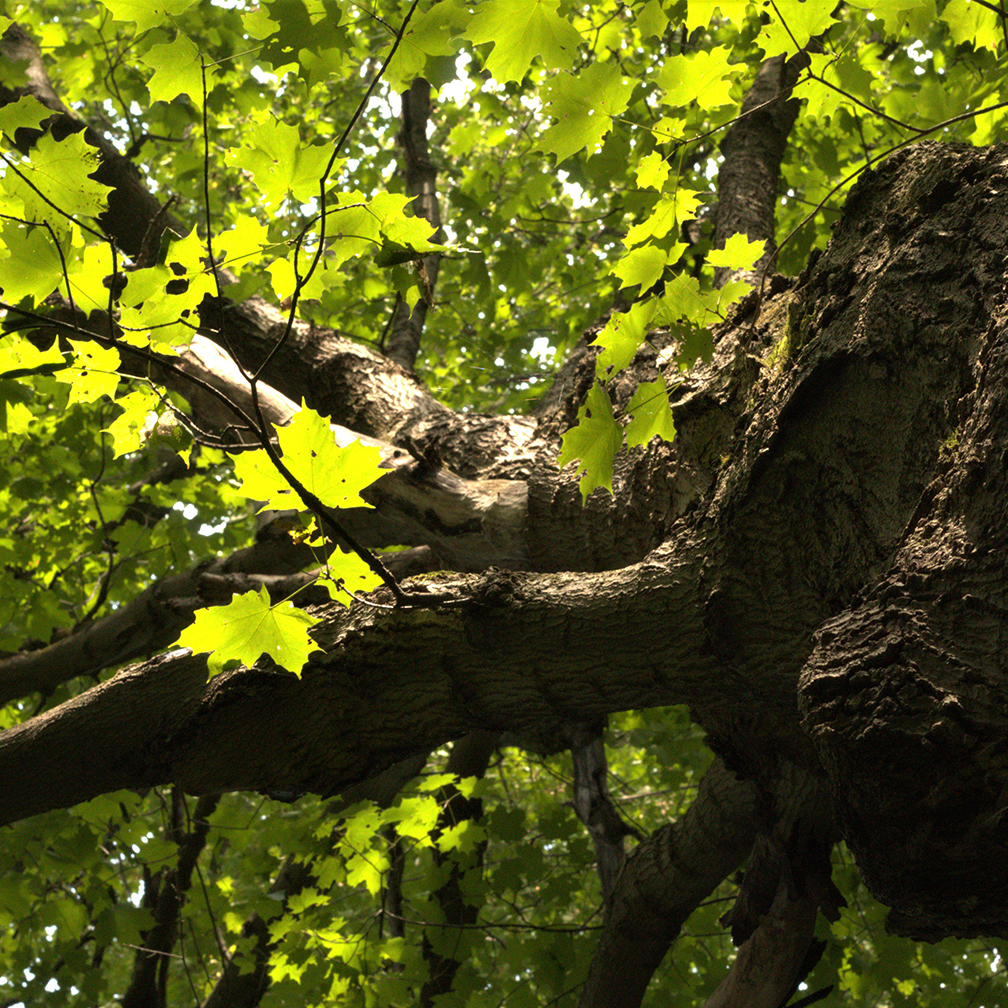
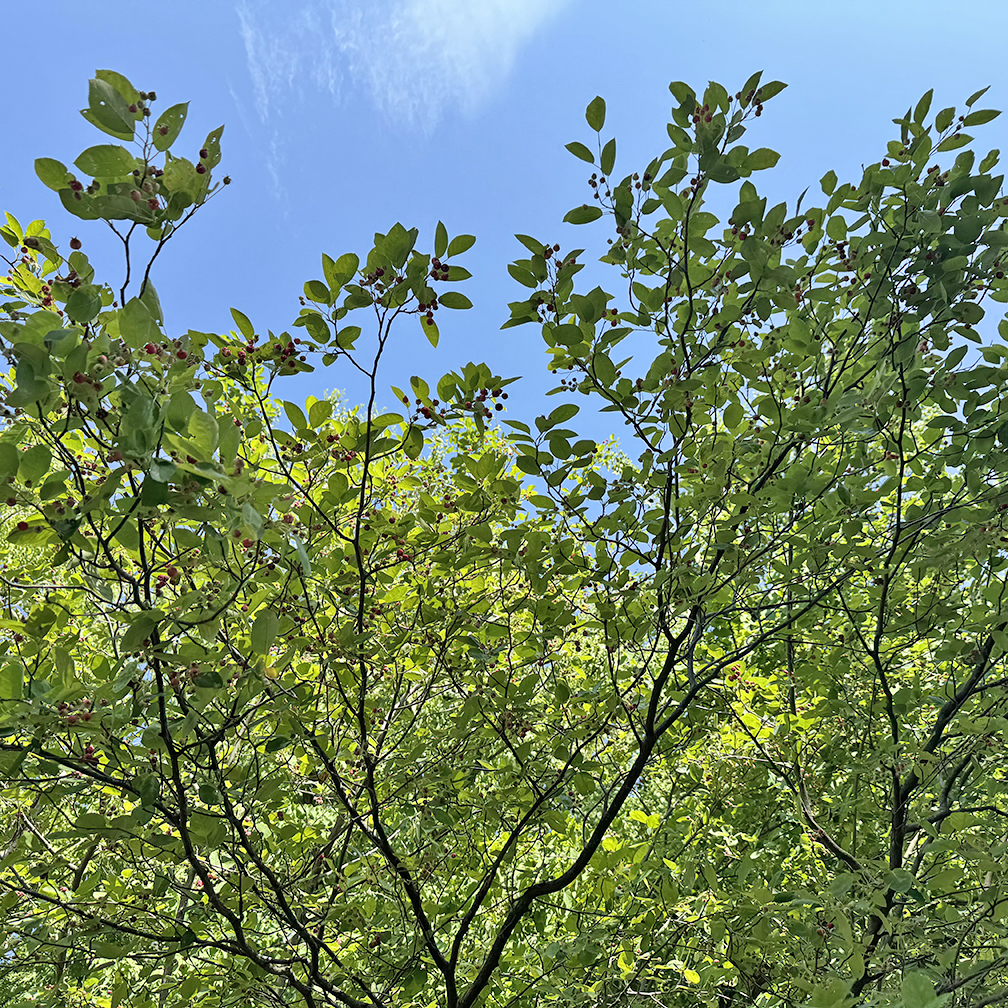
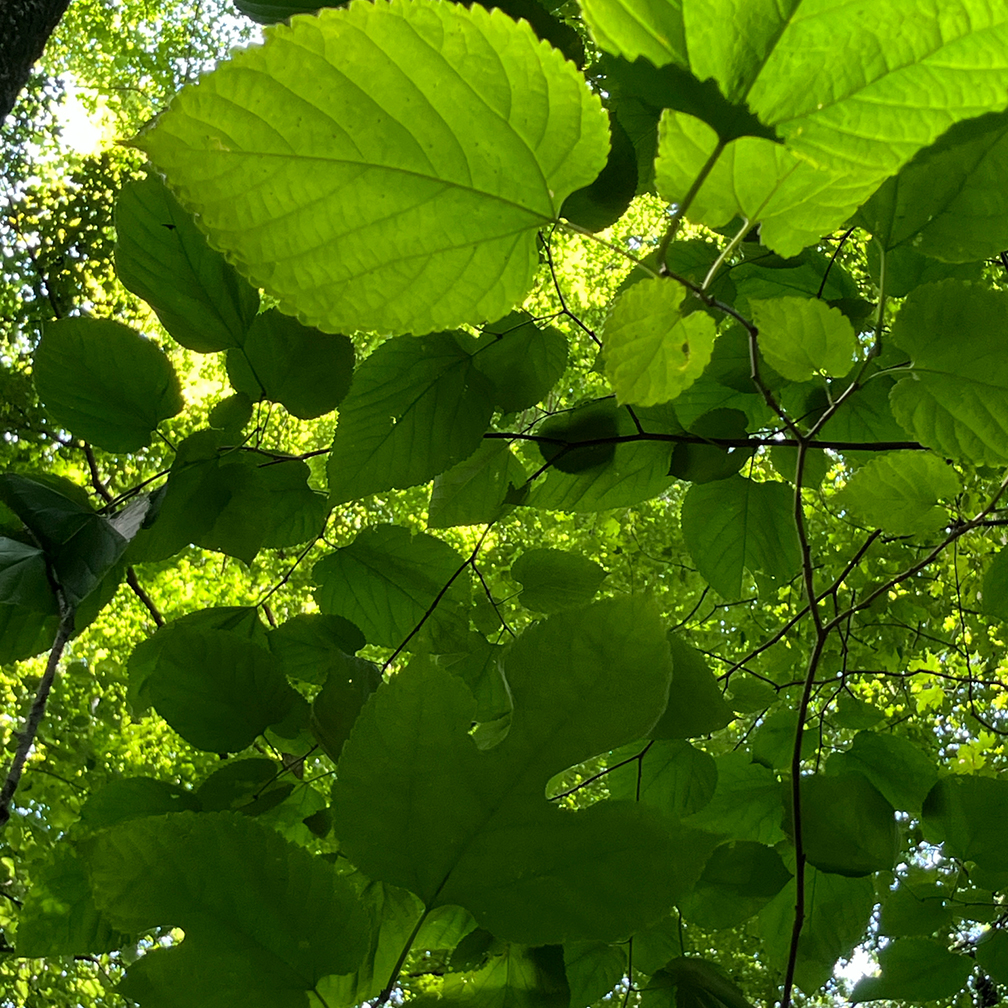
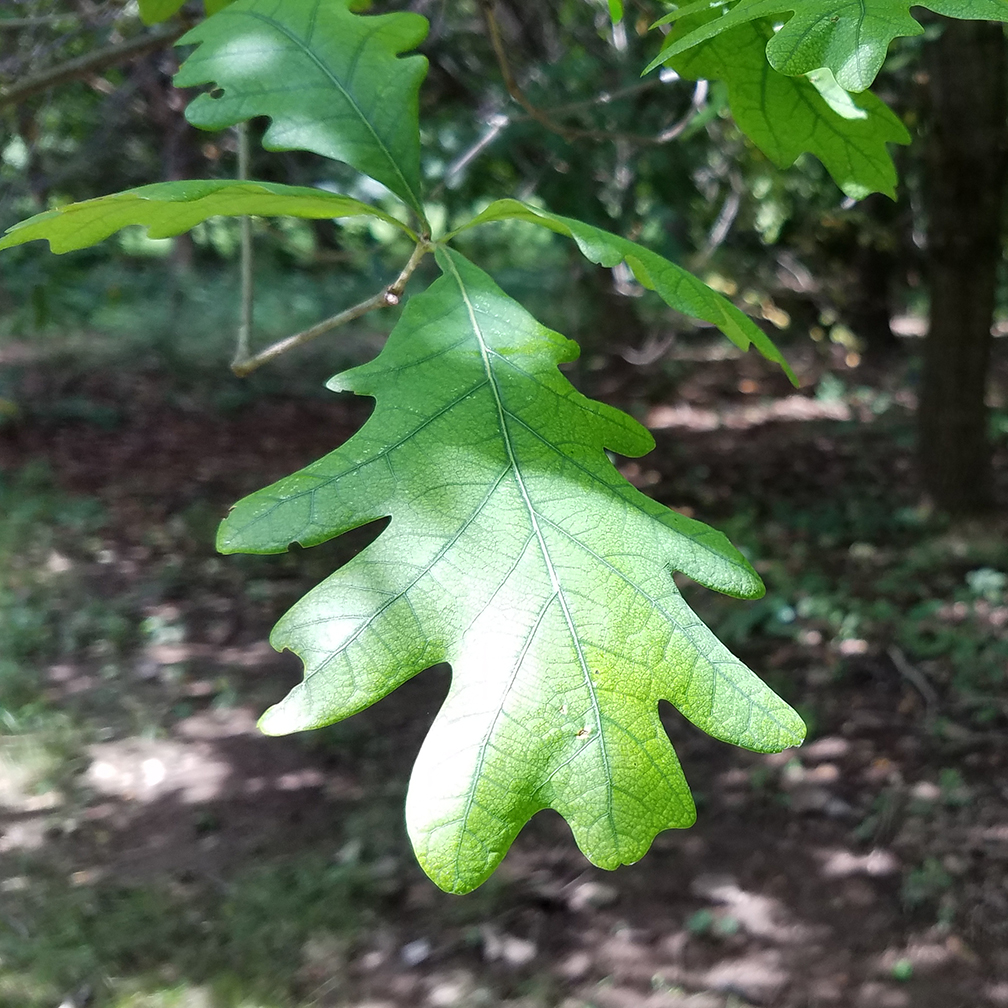
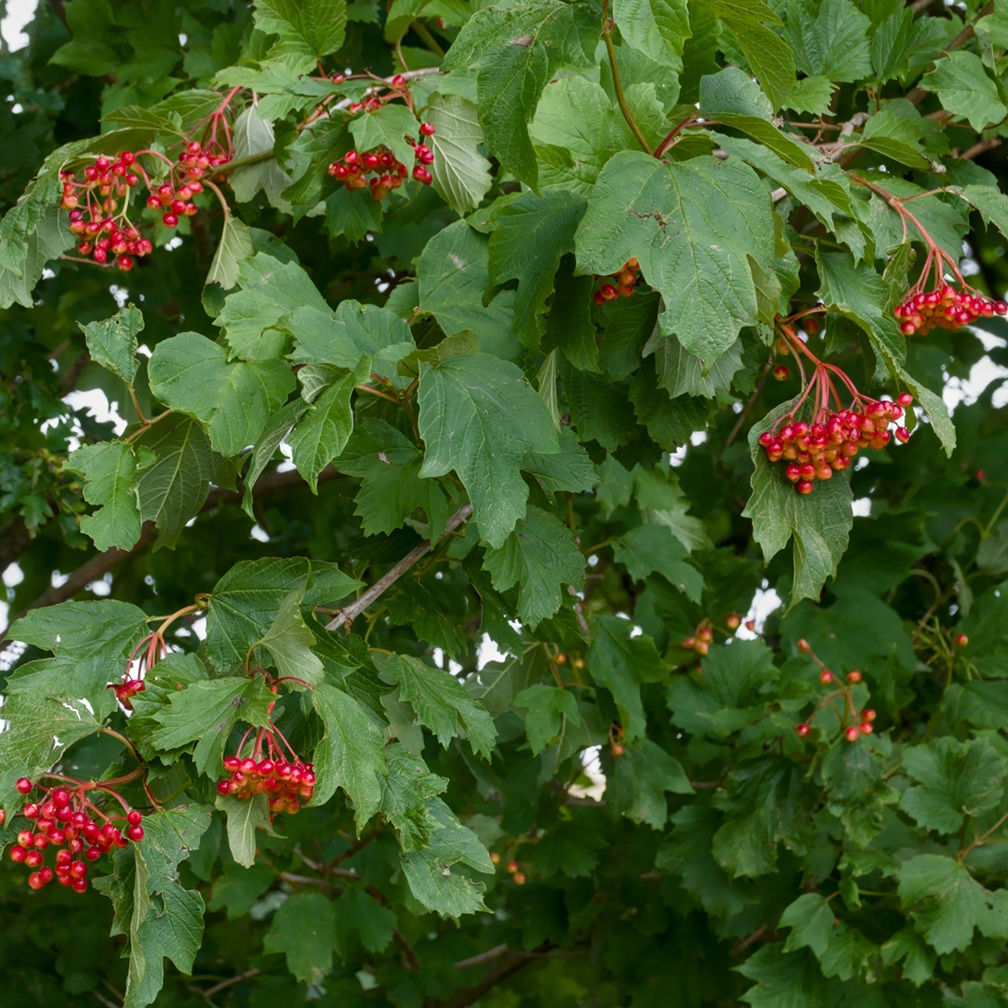
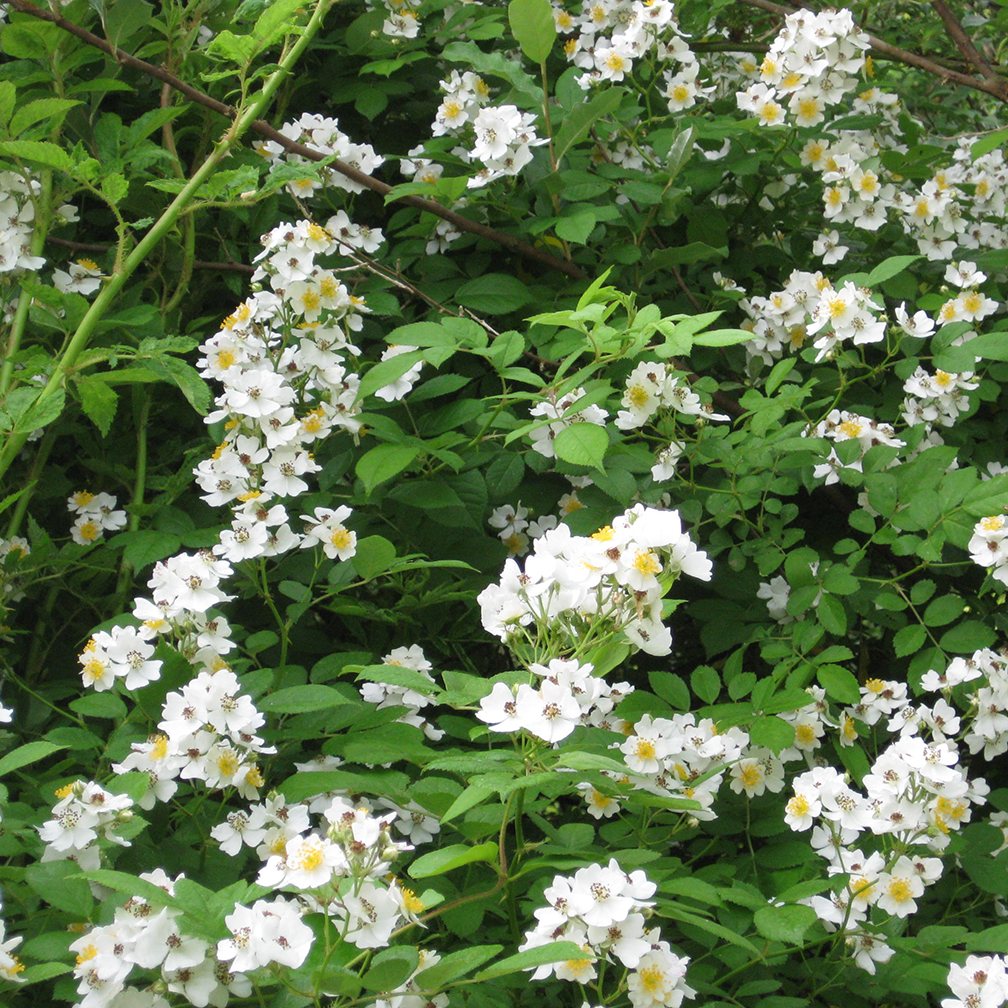
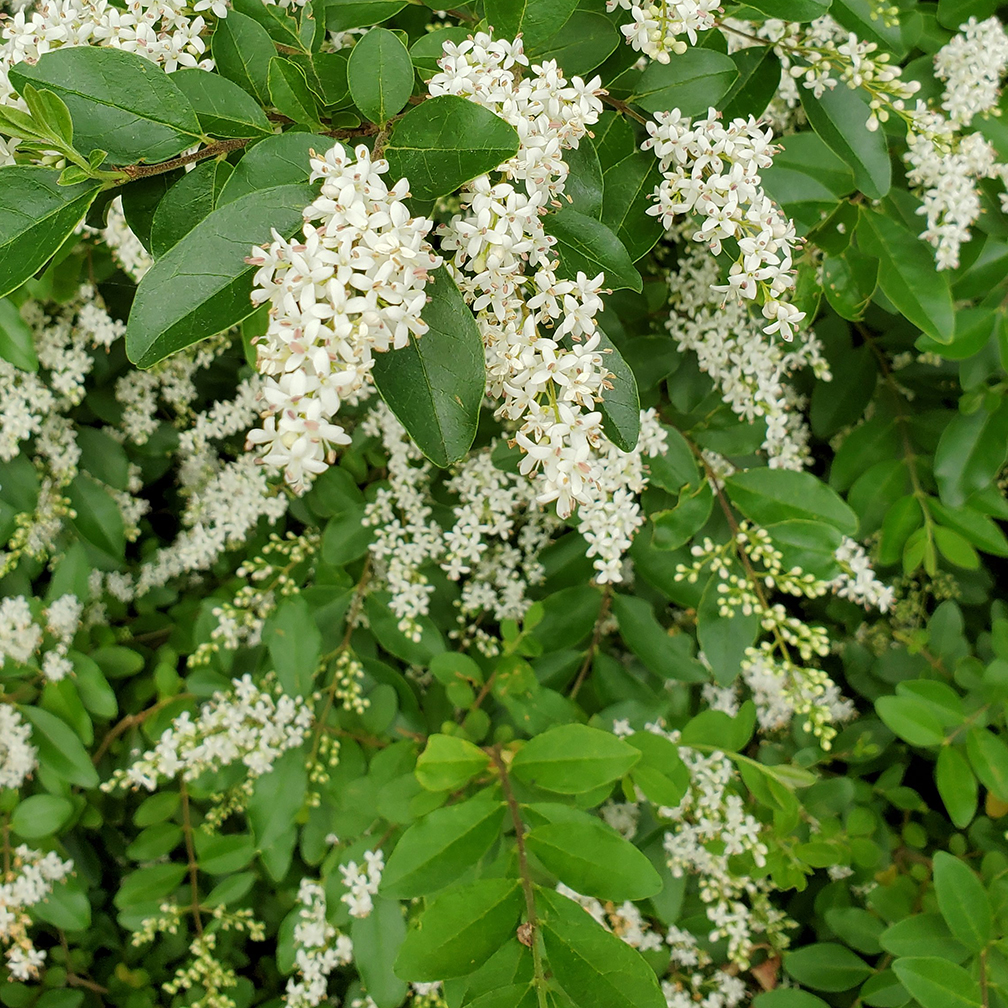
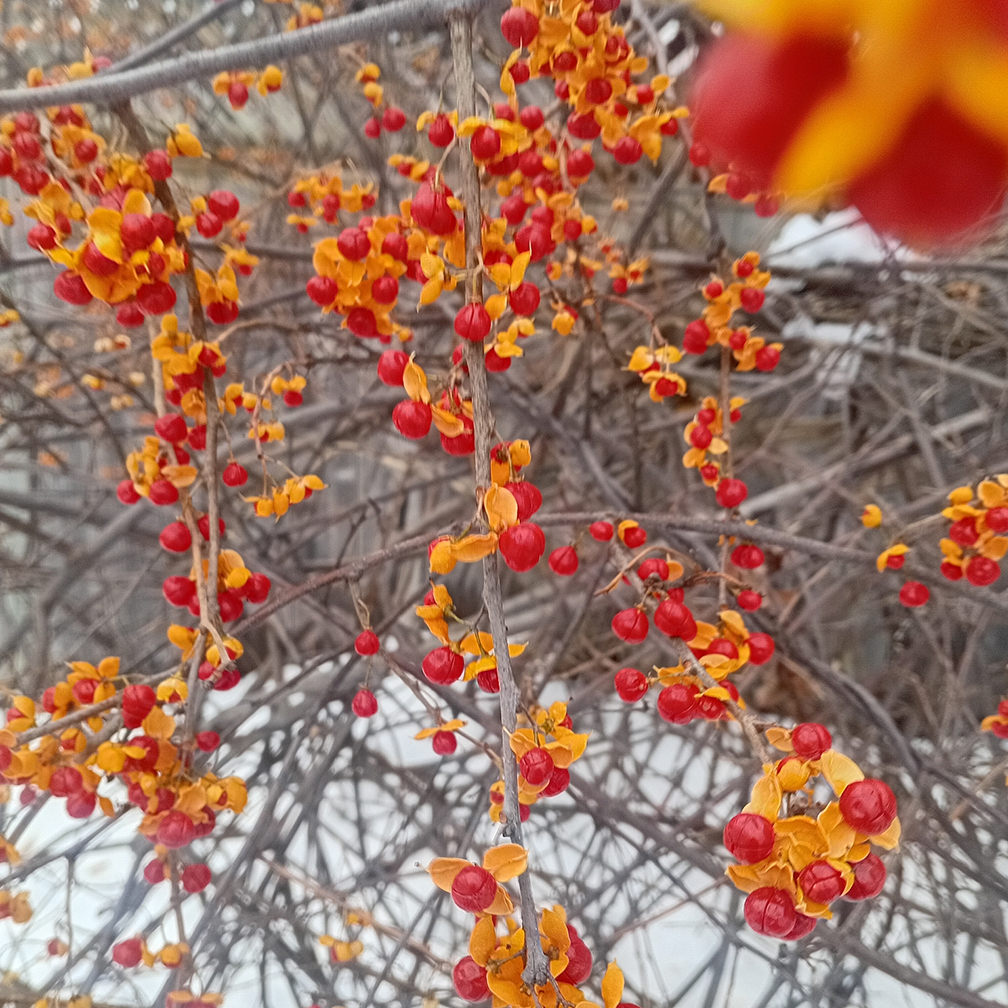
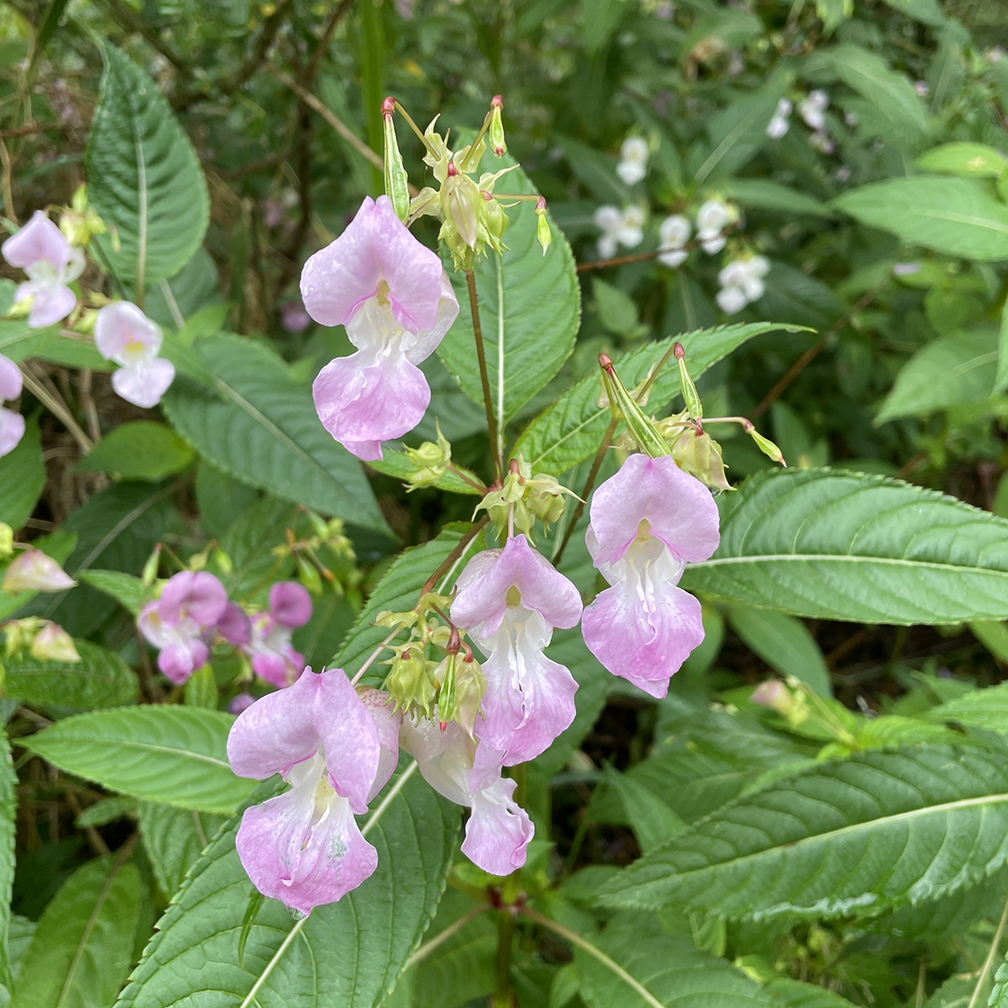
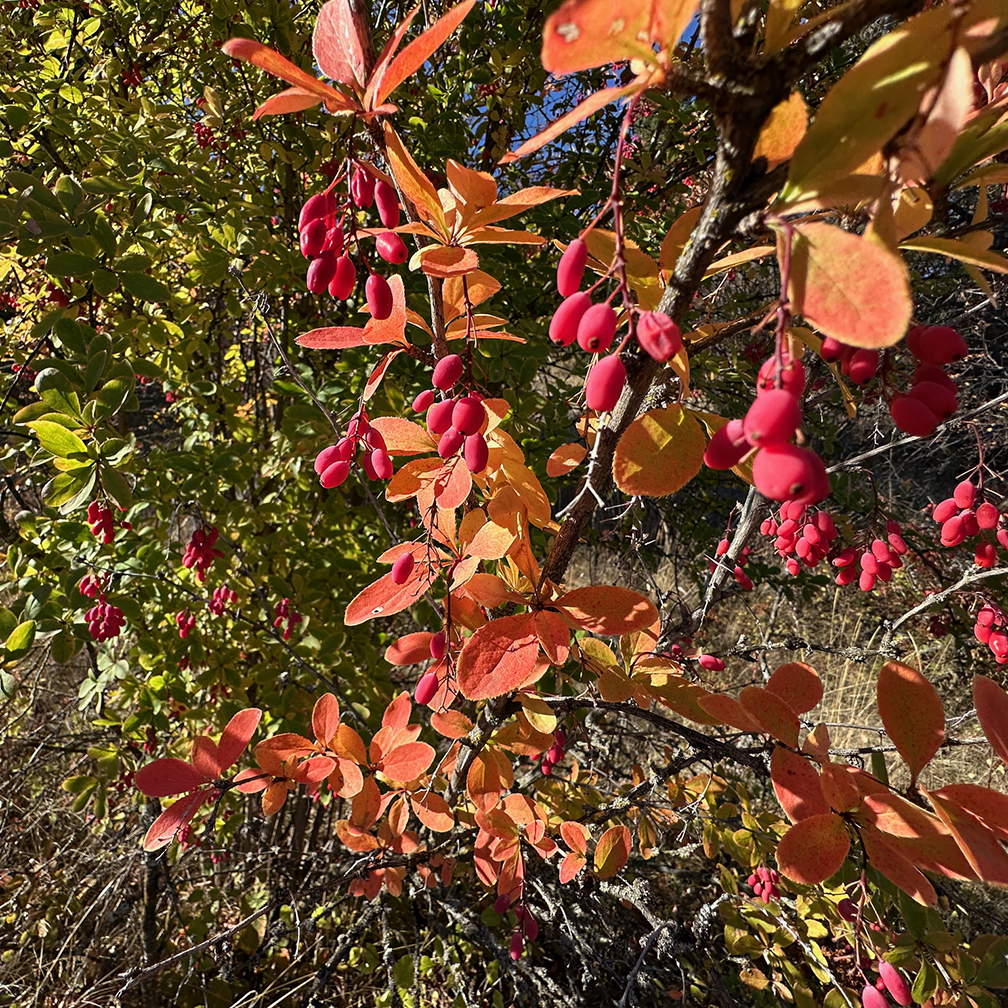
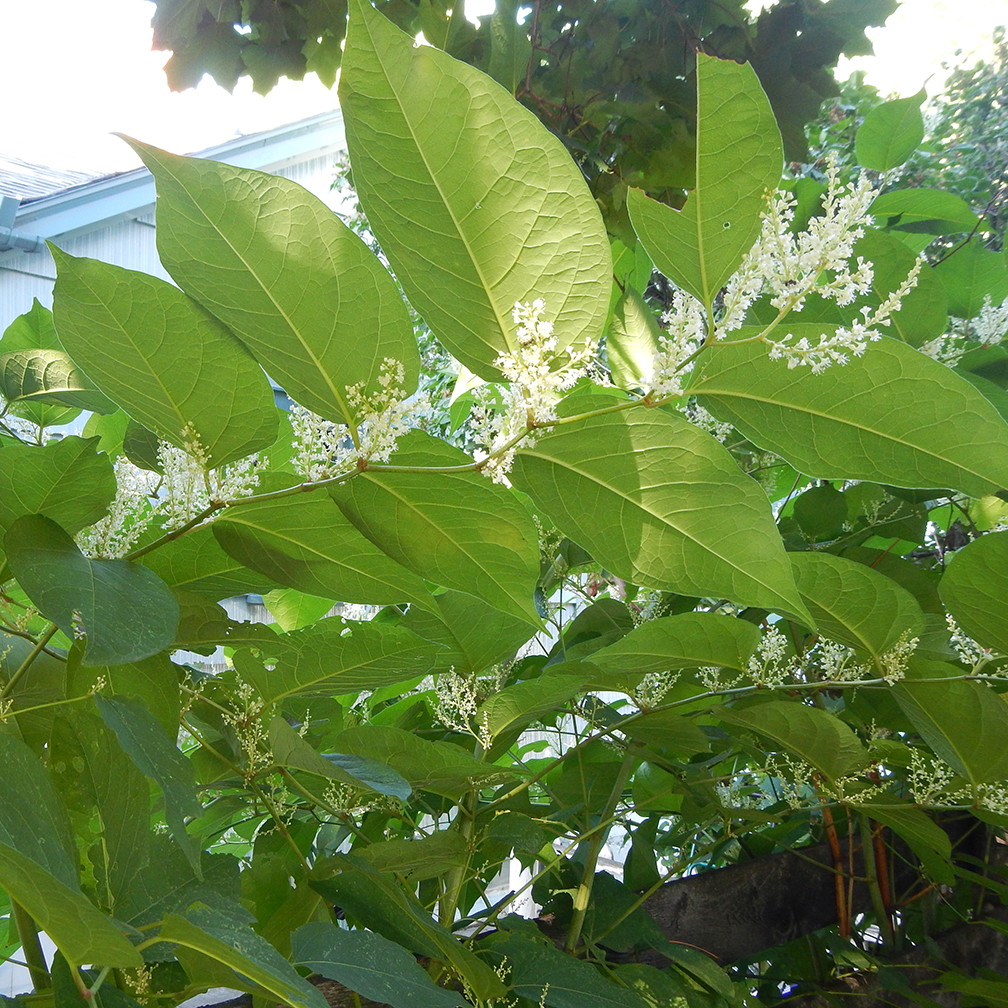
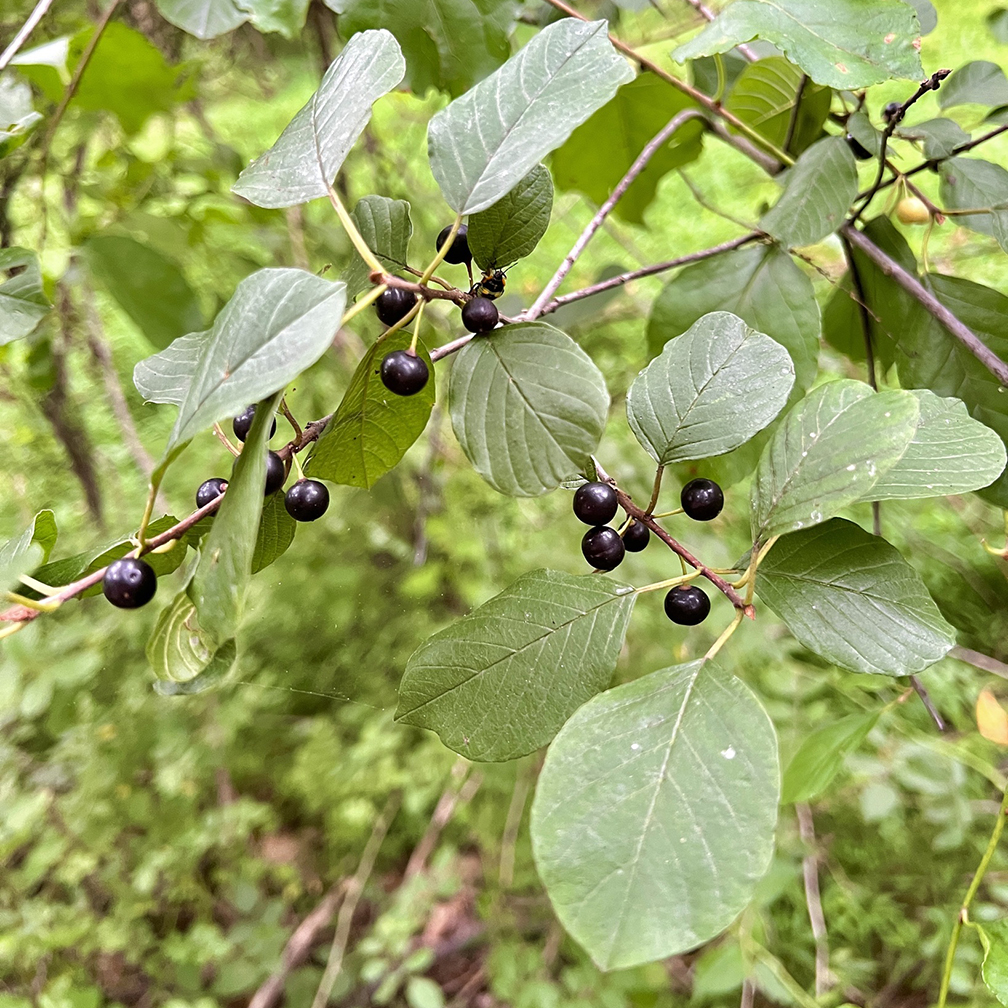
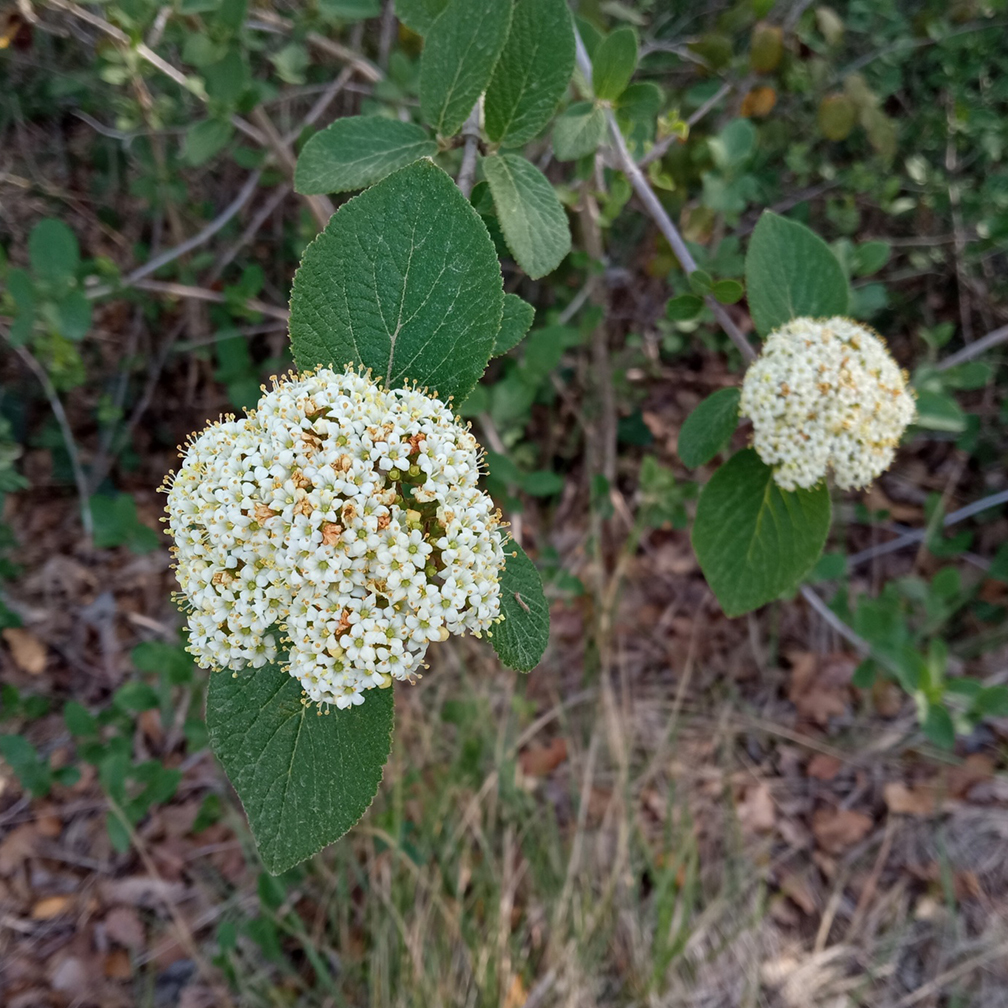
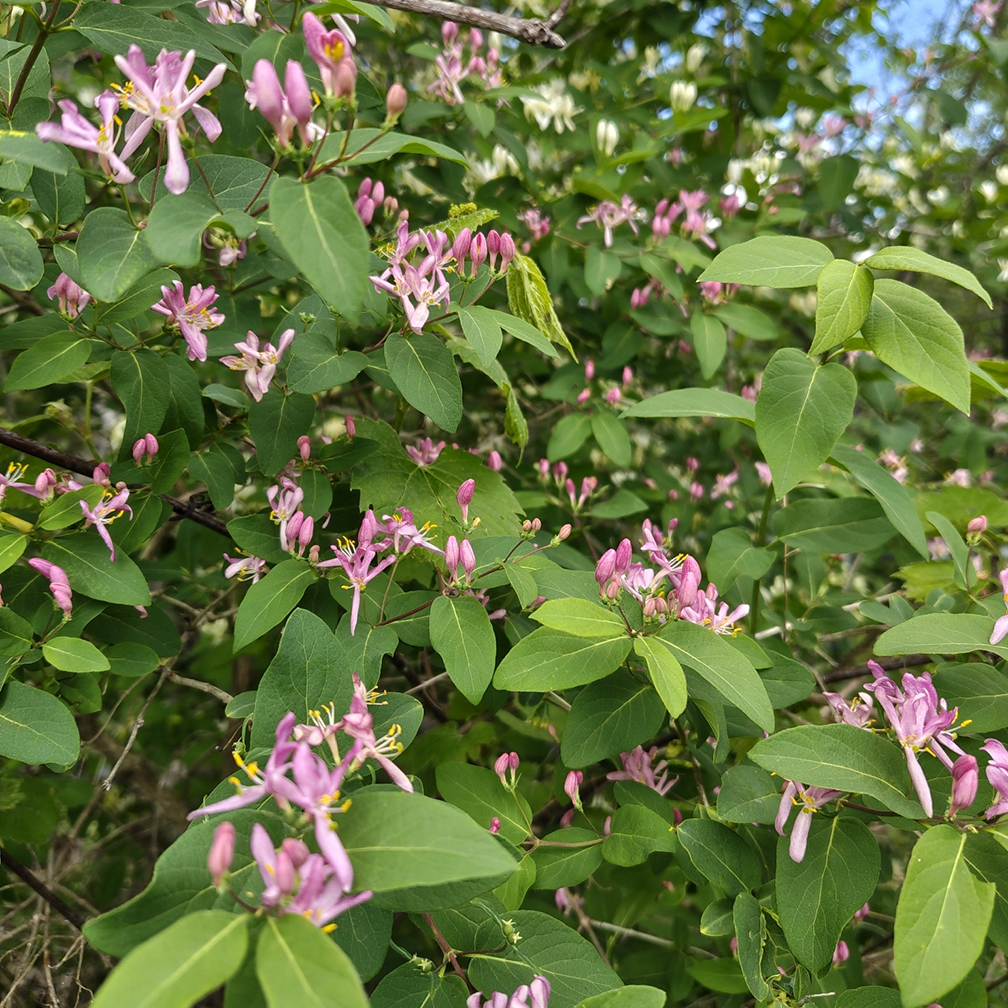
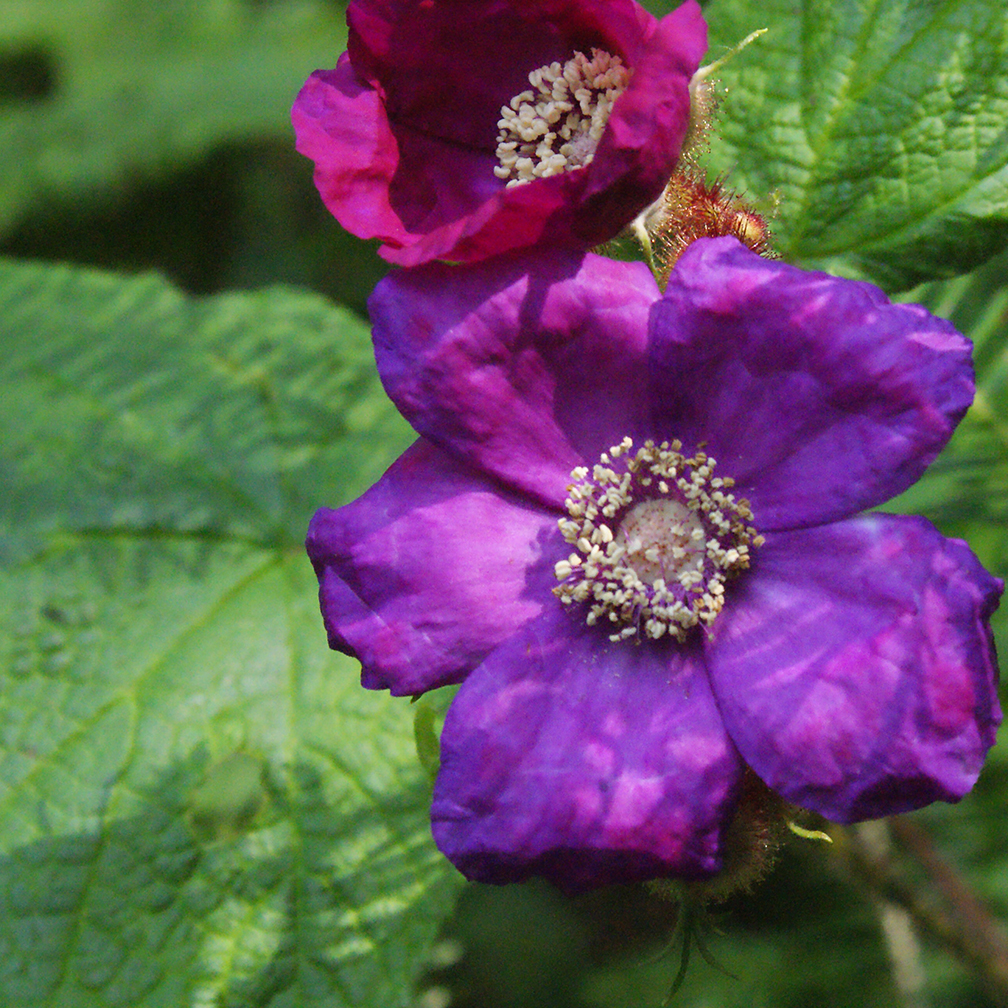
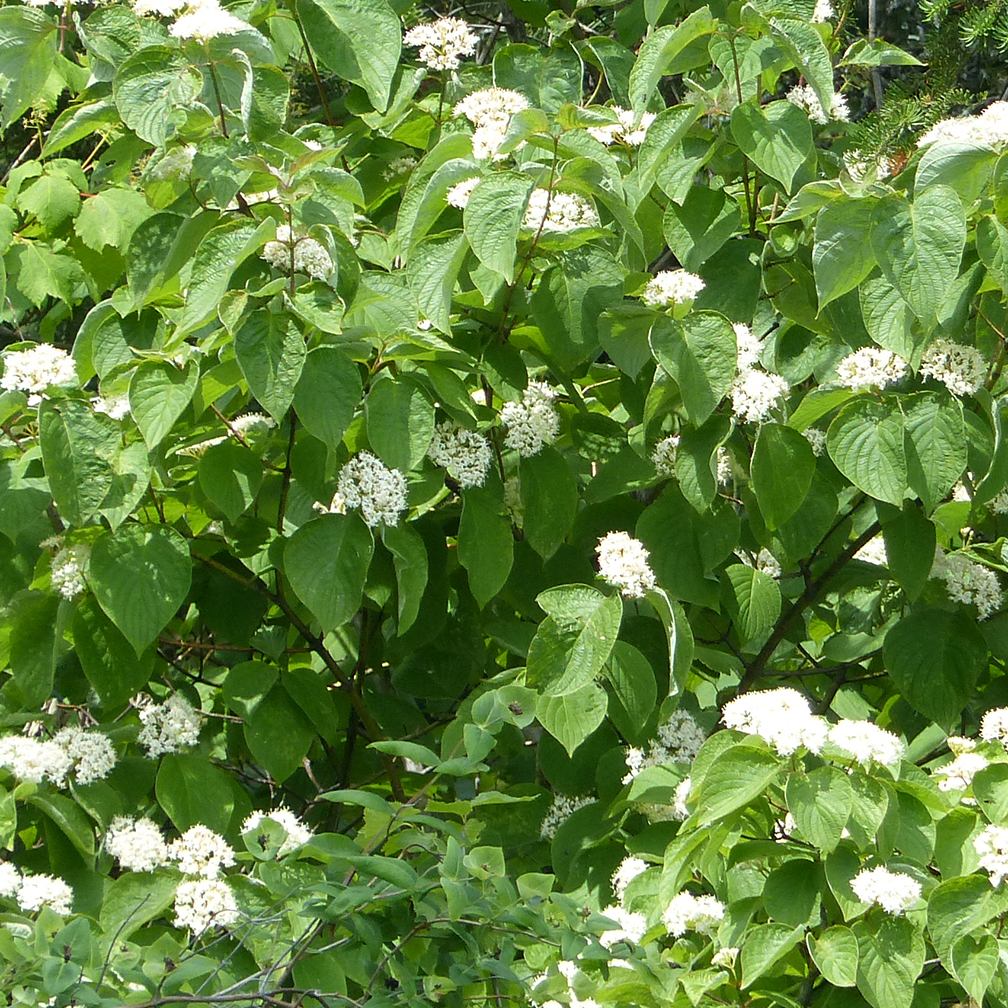
Ornamental Shrub Species To Plant
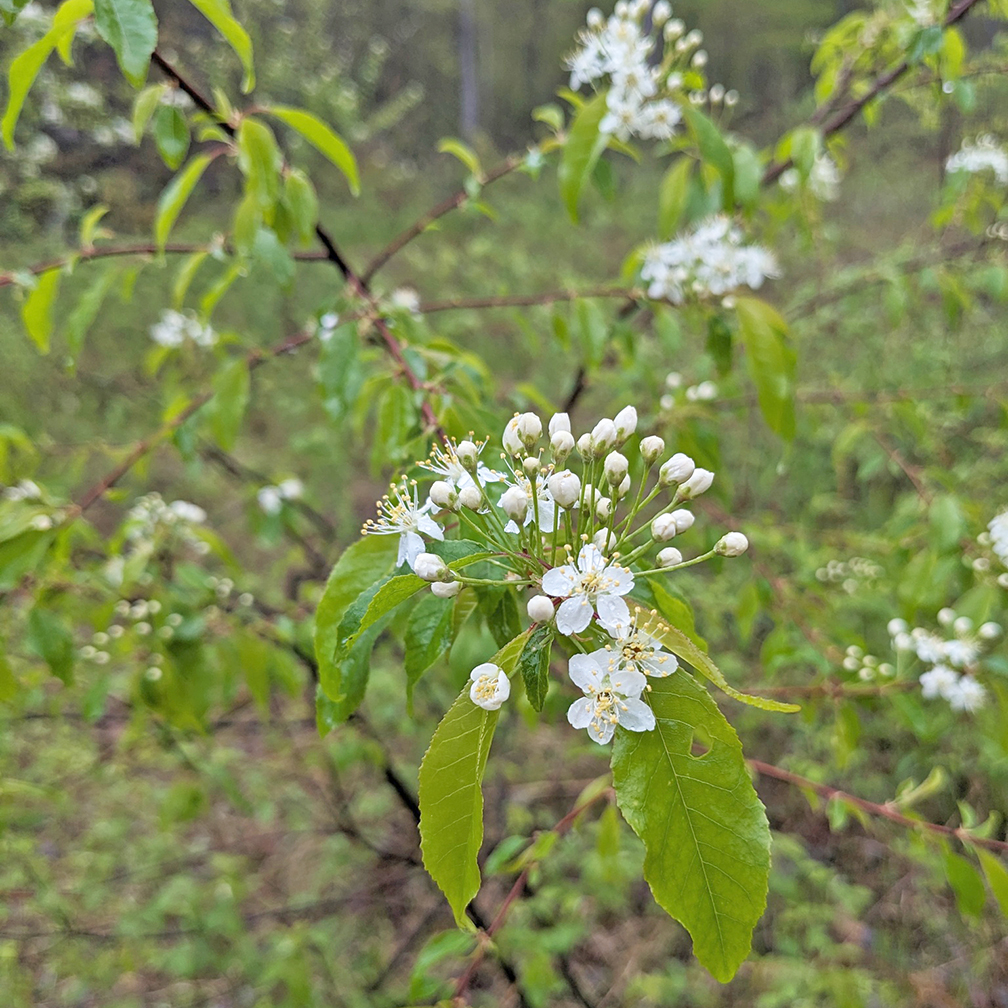
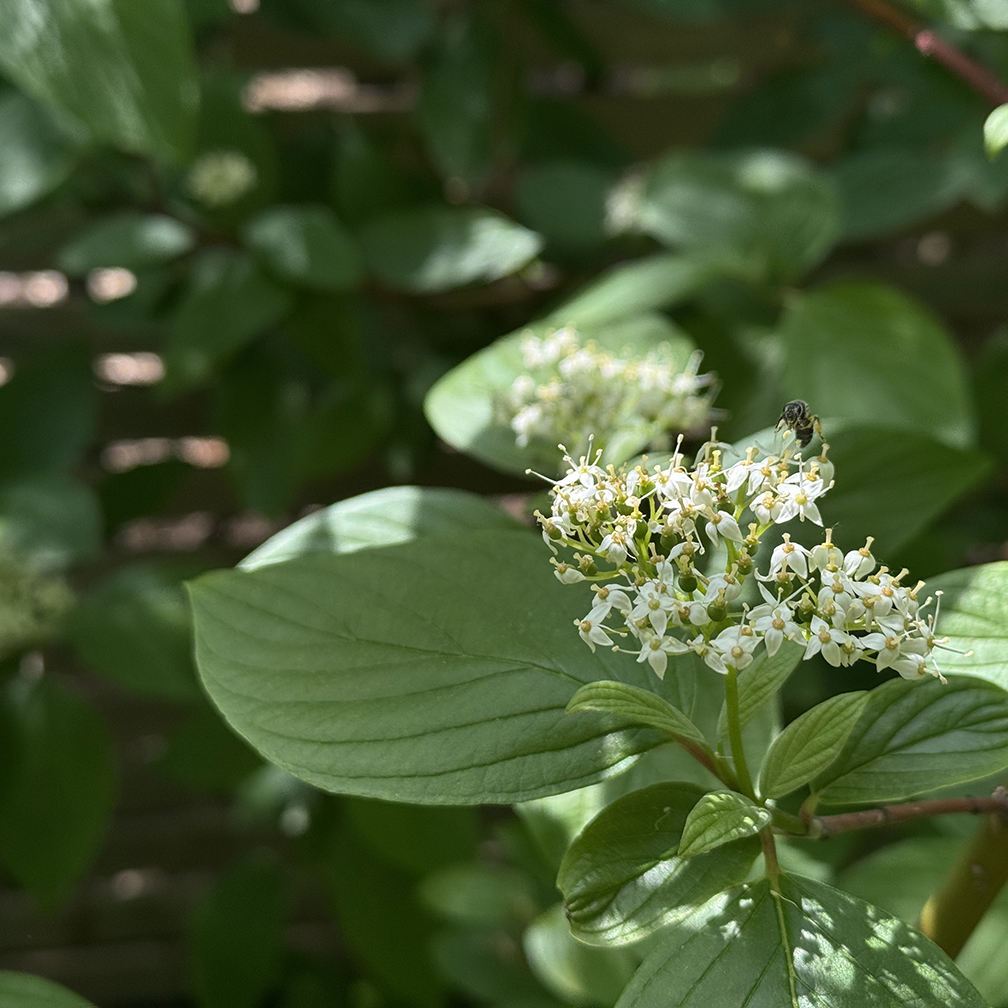
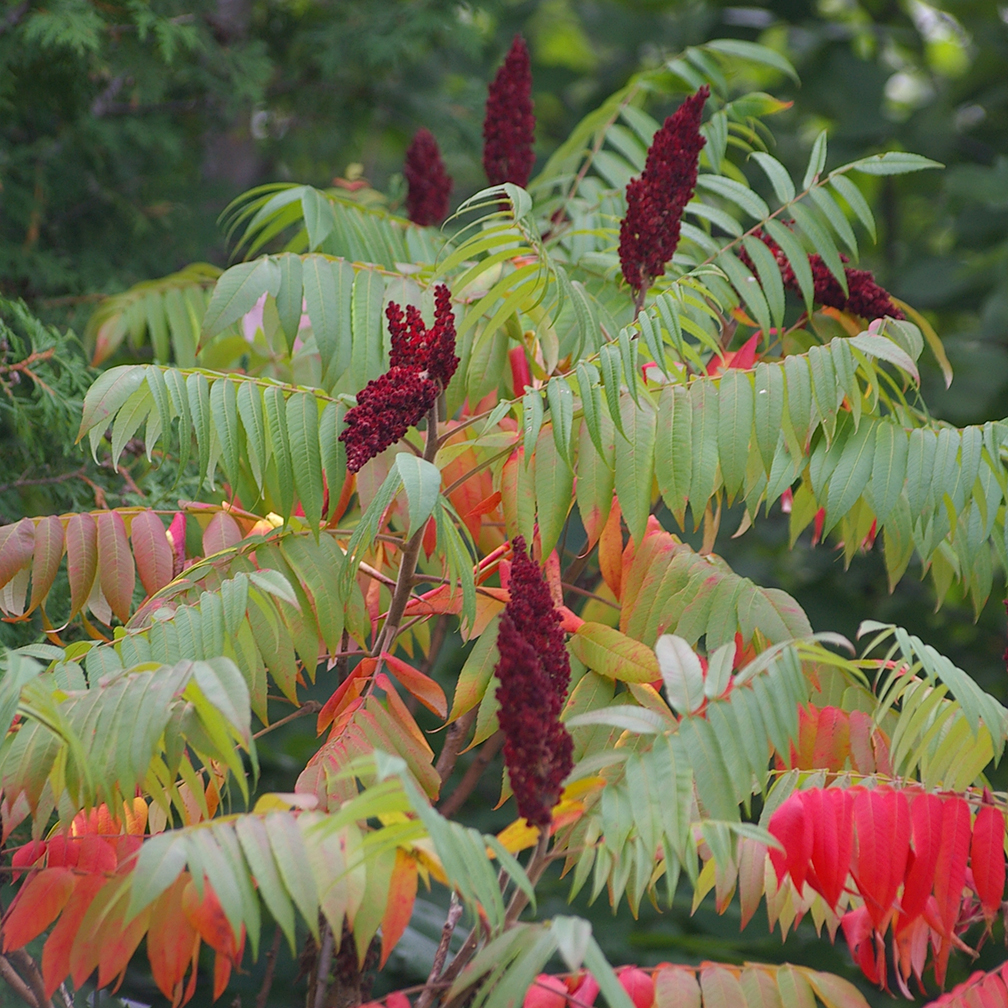
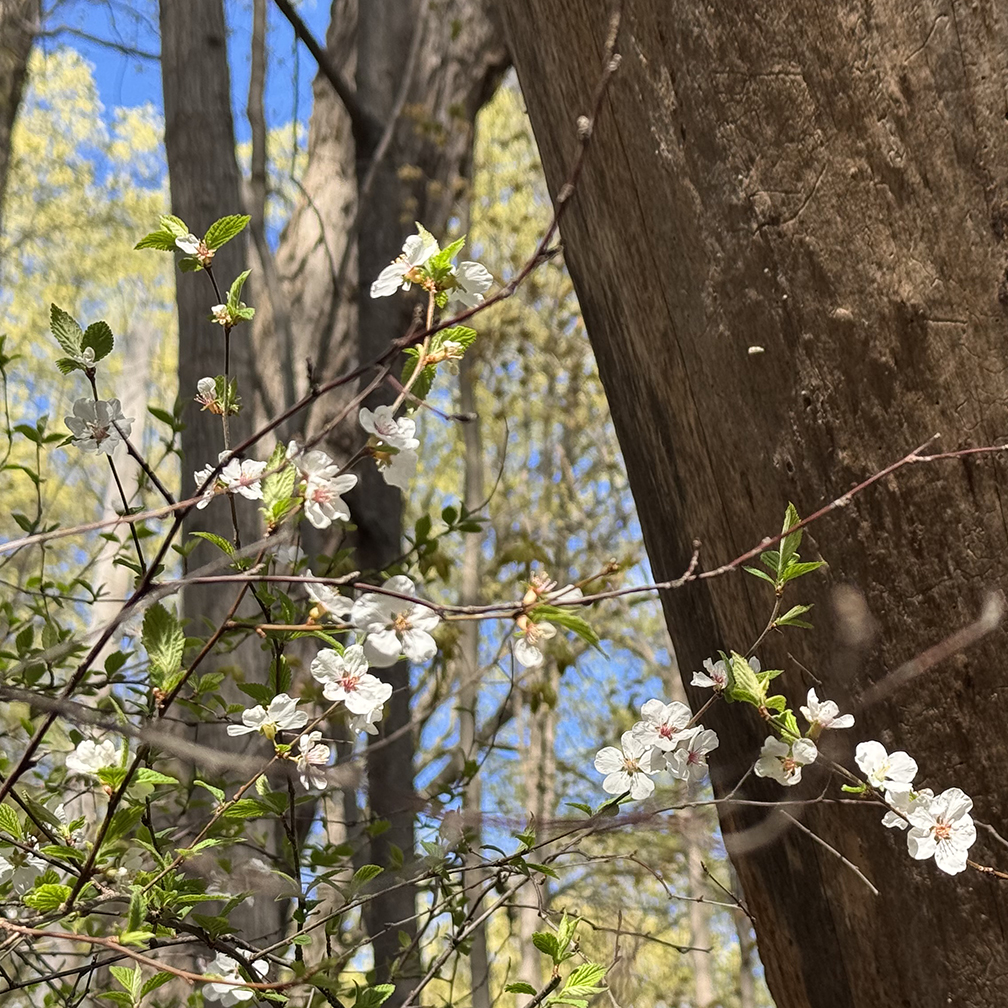
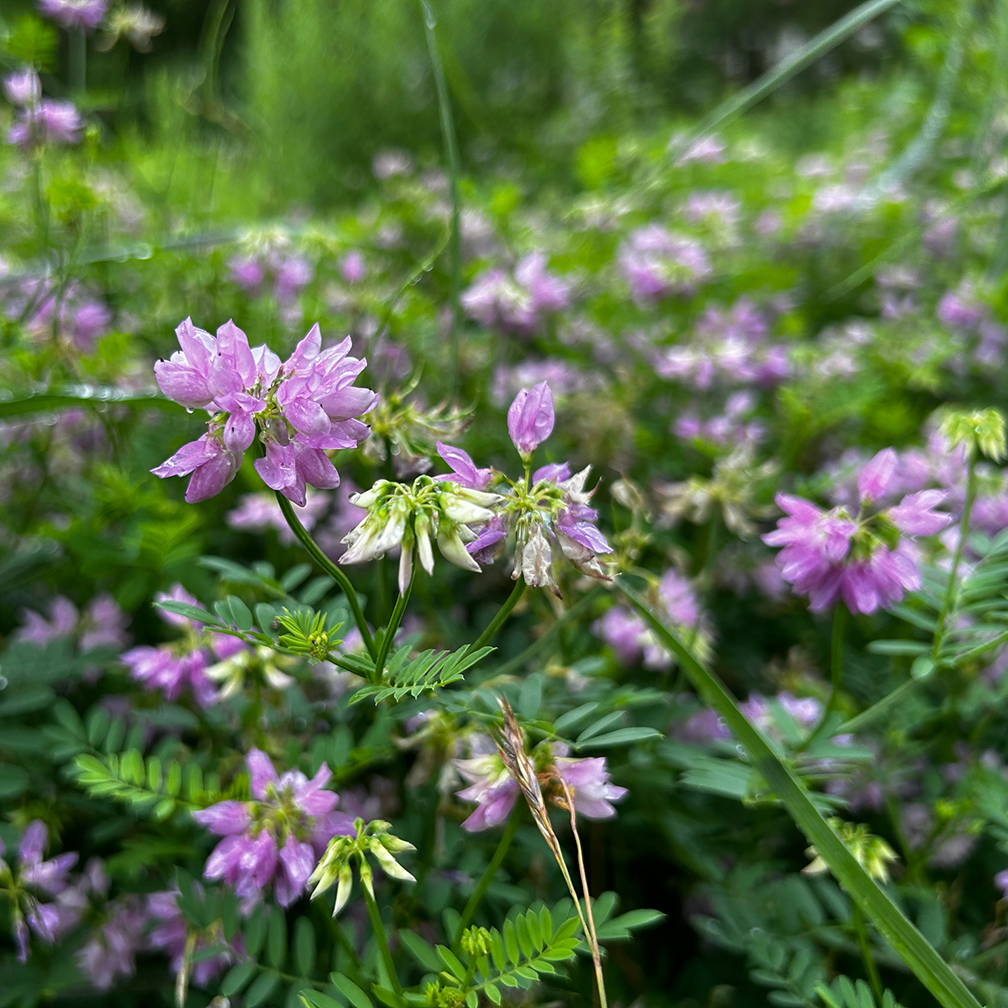
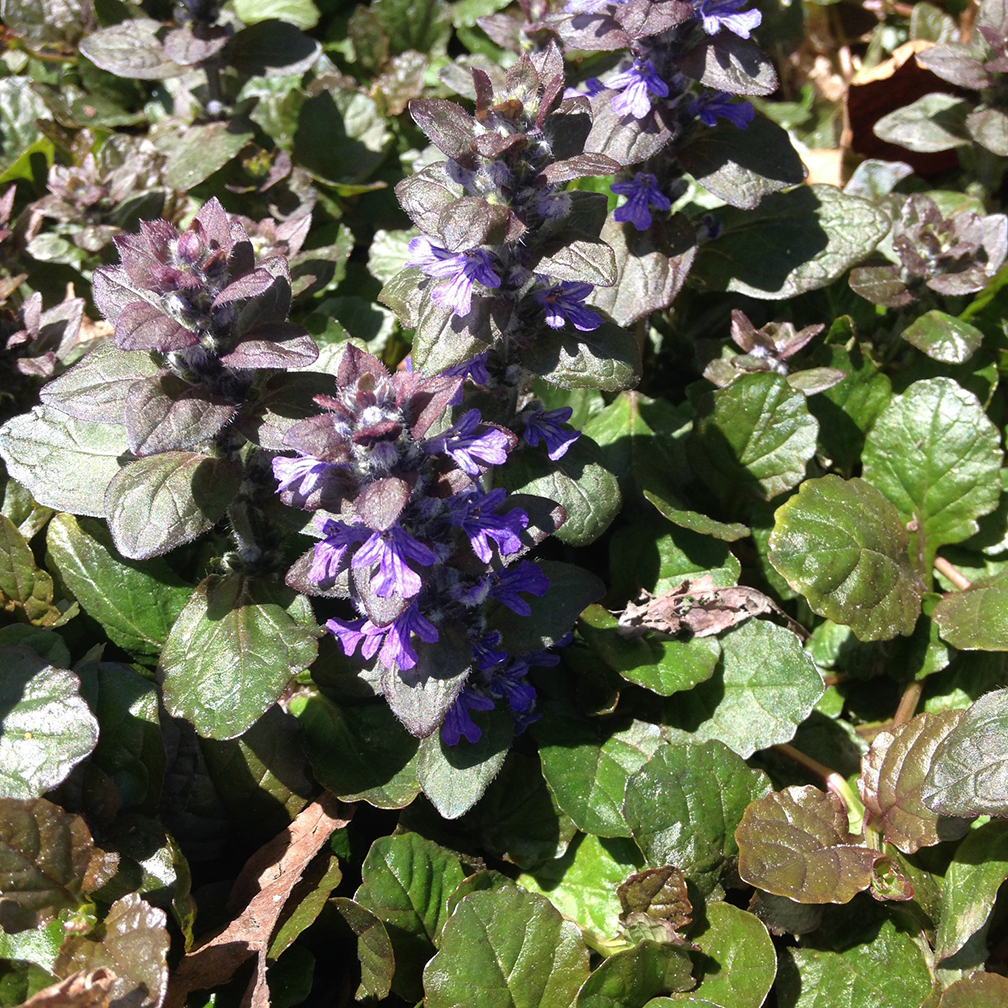
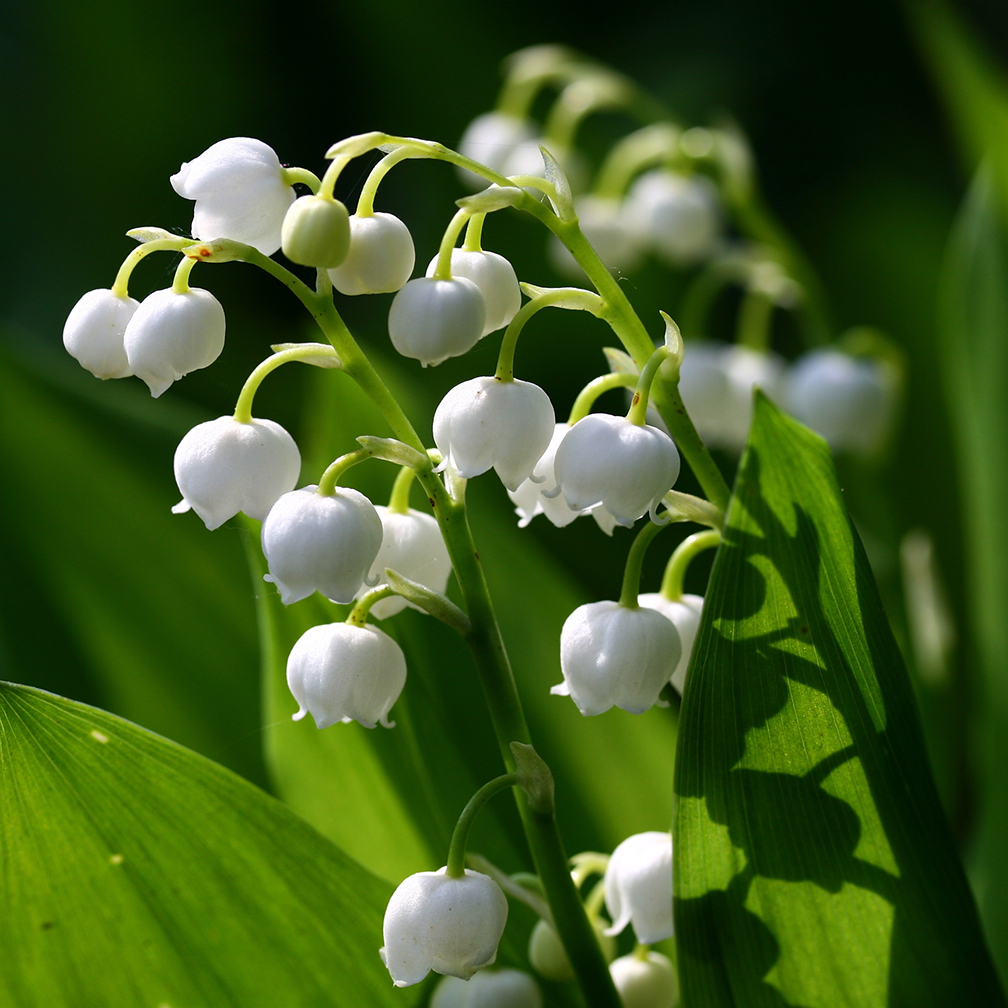
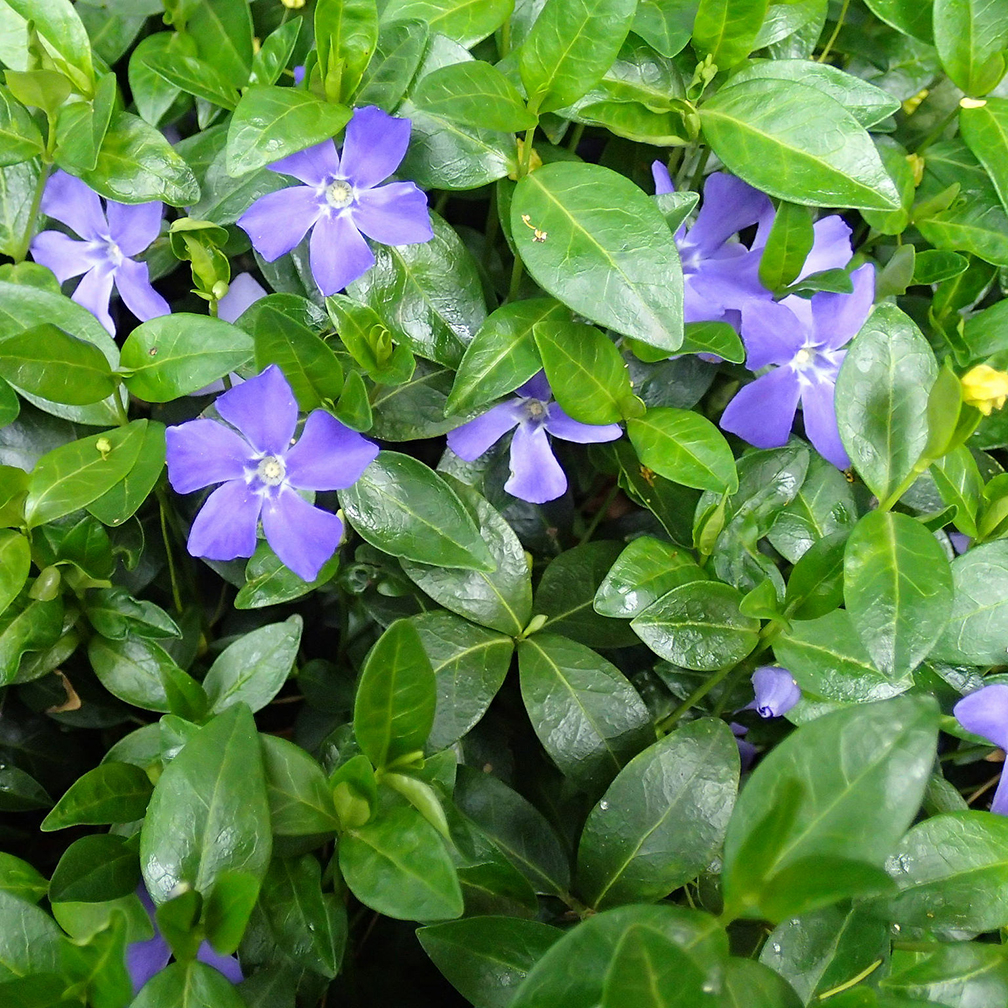
Groundcovers
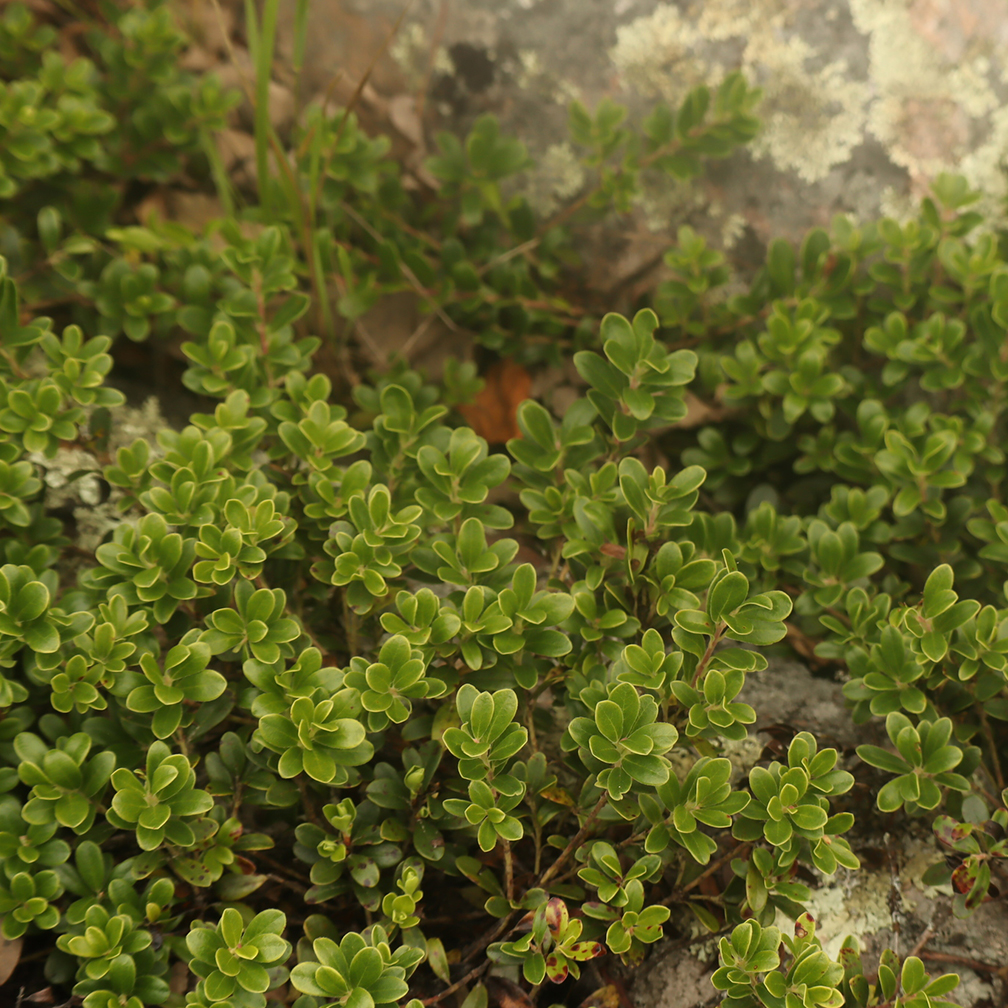
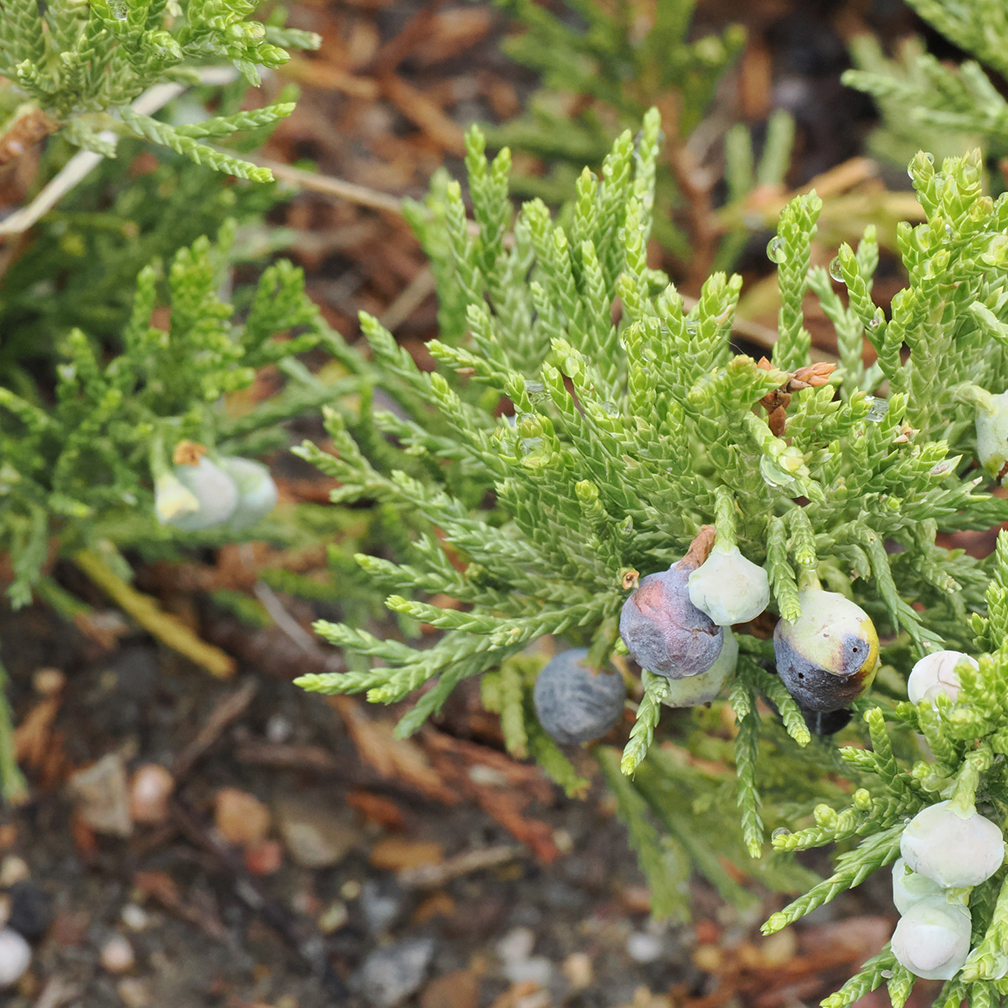
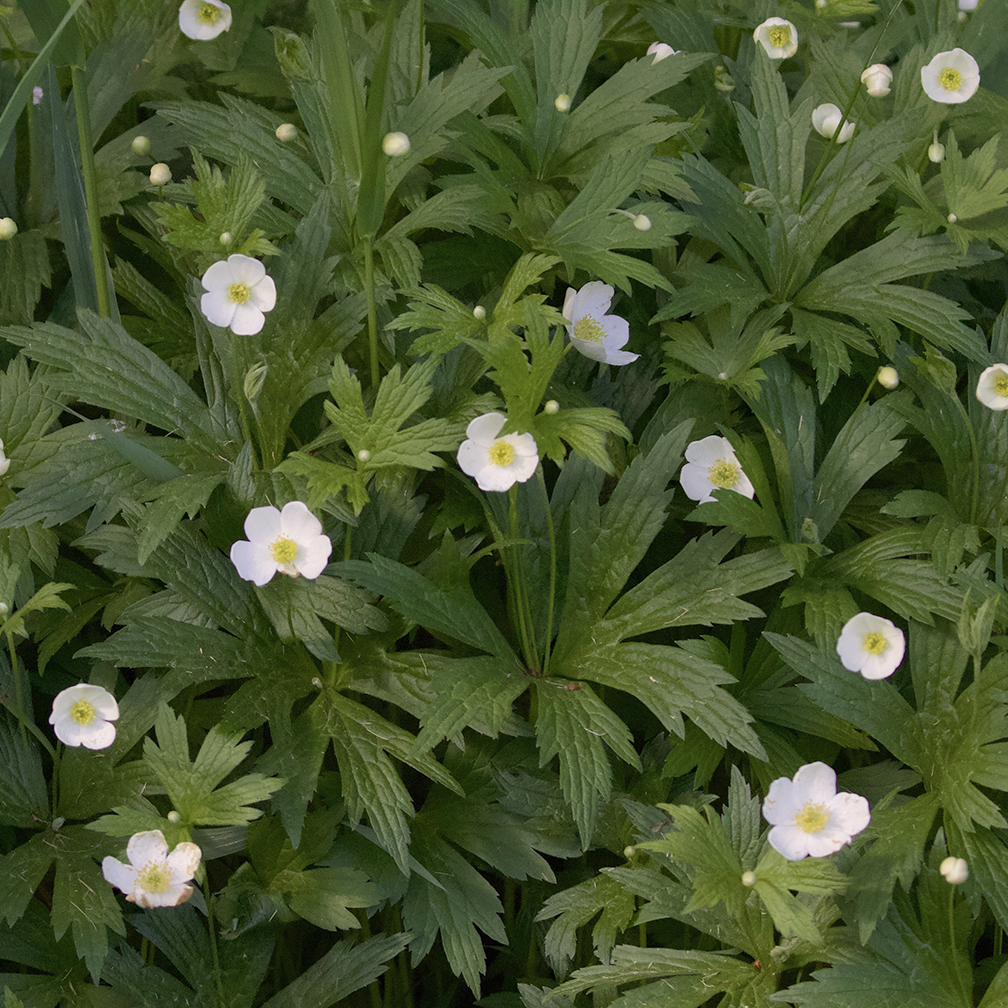
In just about every backyard, there’s an area where nothing grows, either as a result of poor soil conditions or inadequate light. Increasingly, many people are replacing lawns with ground covers that require little maintenance and survive in poor growing conditions.
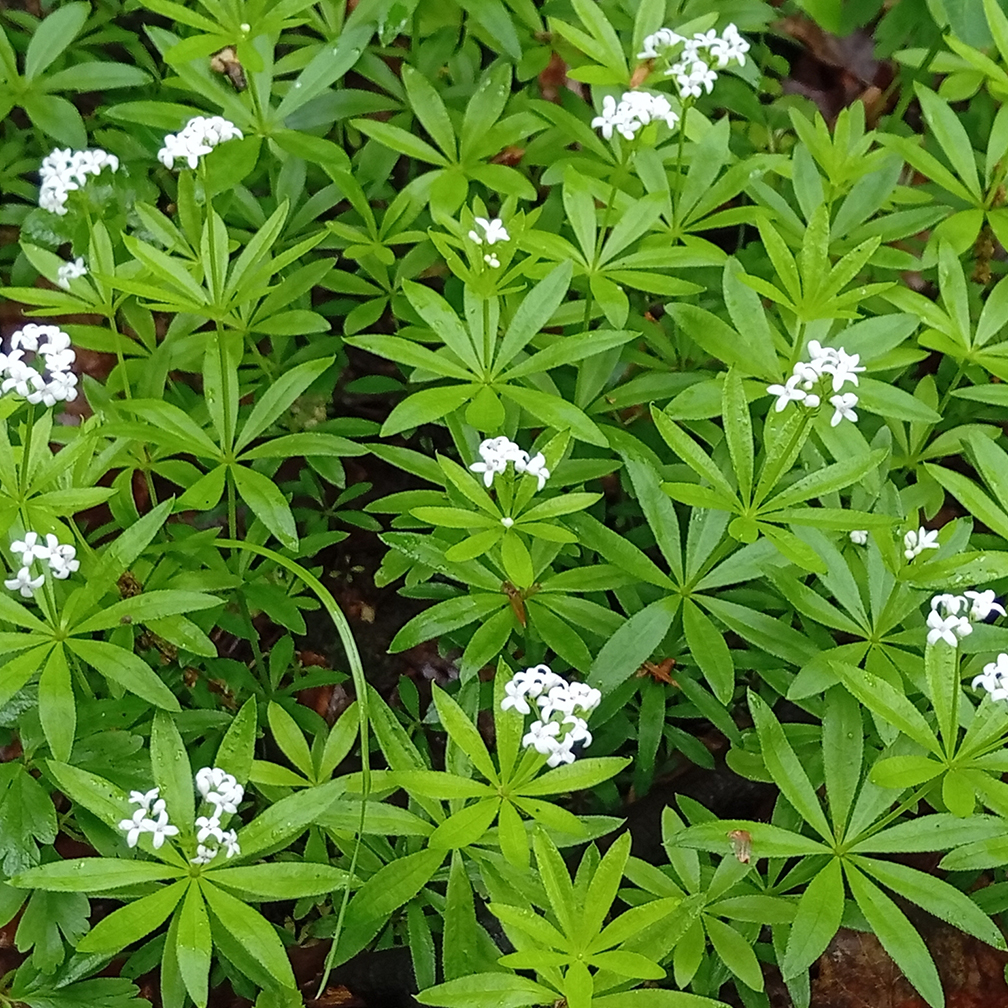
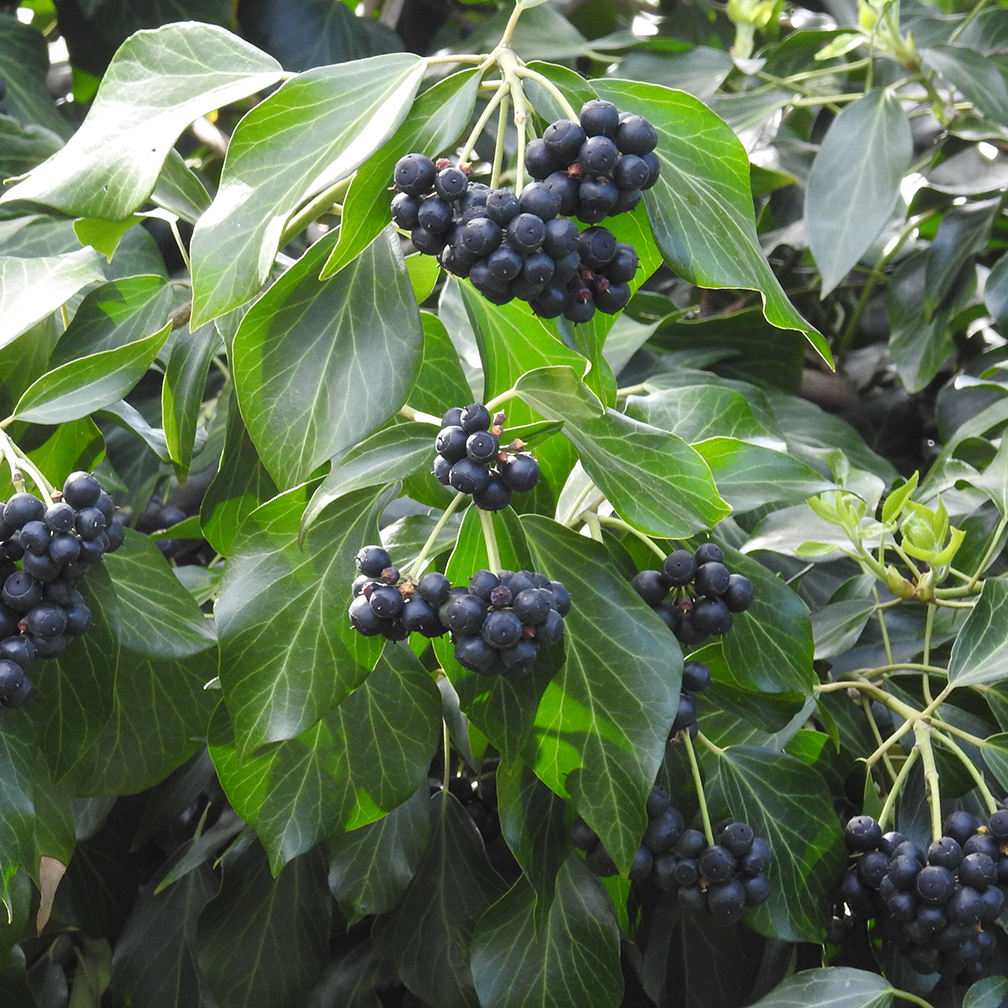
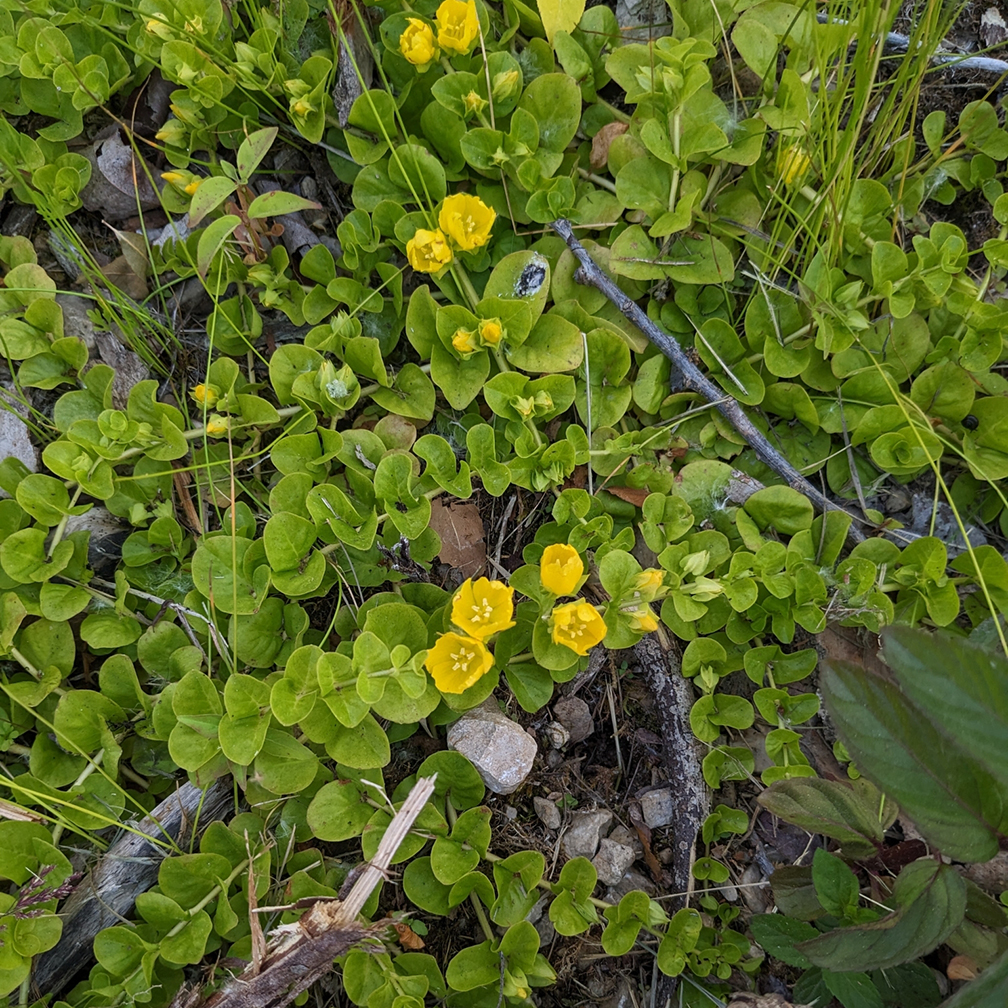
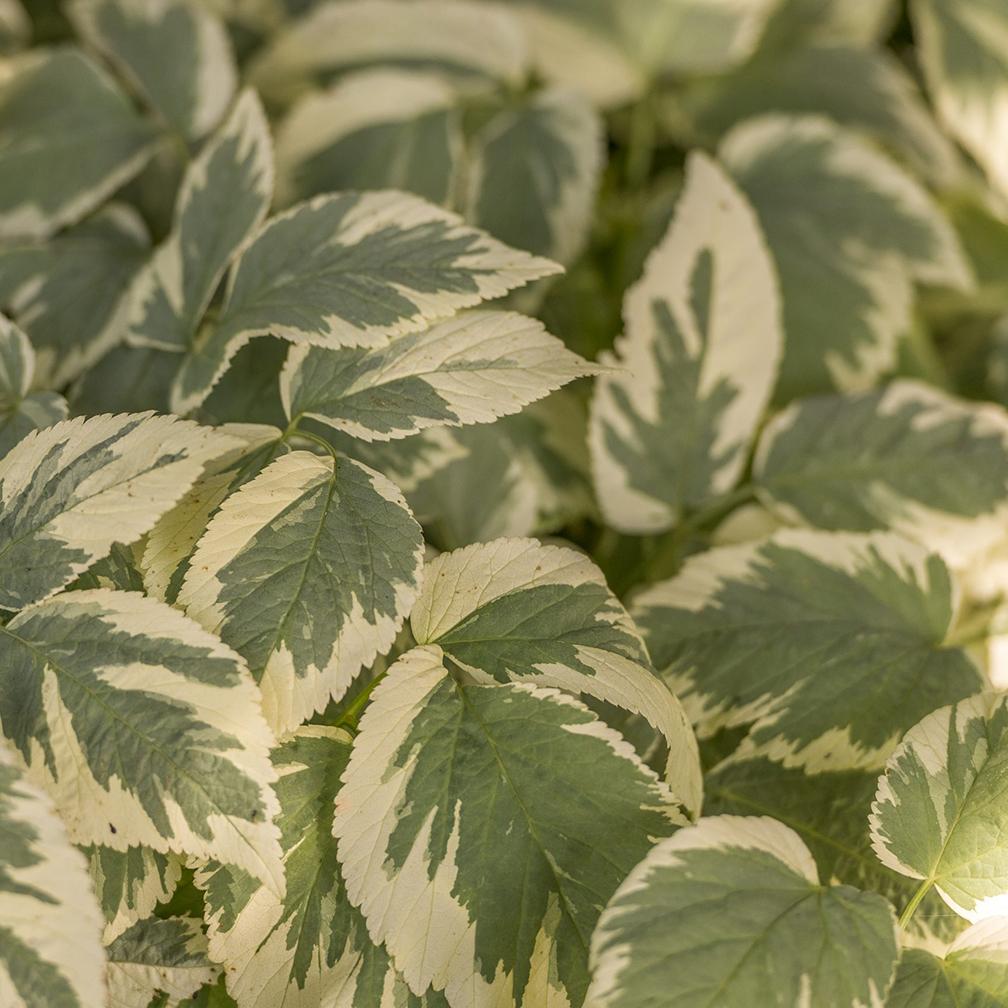
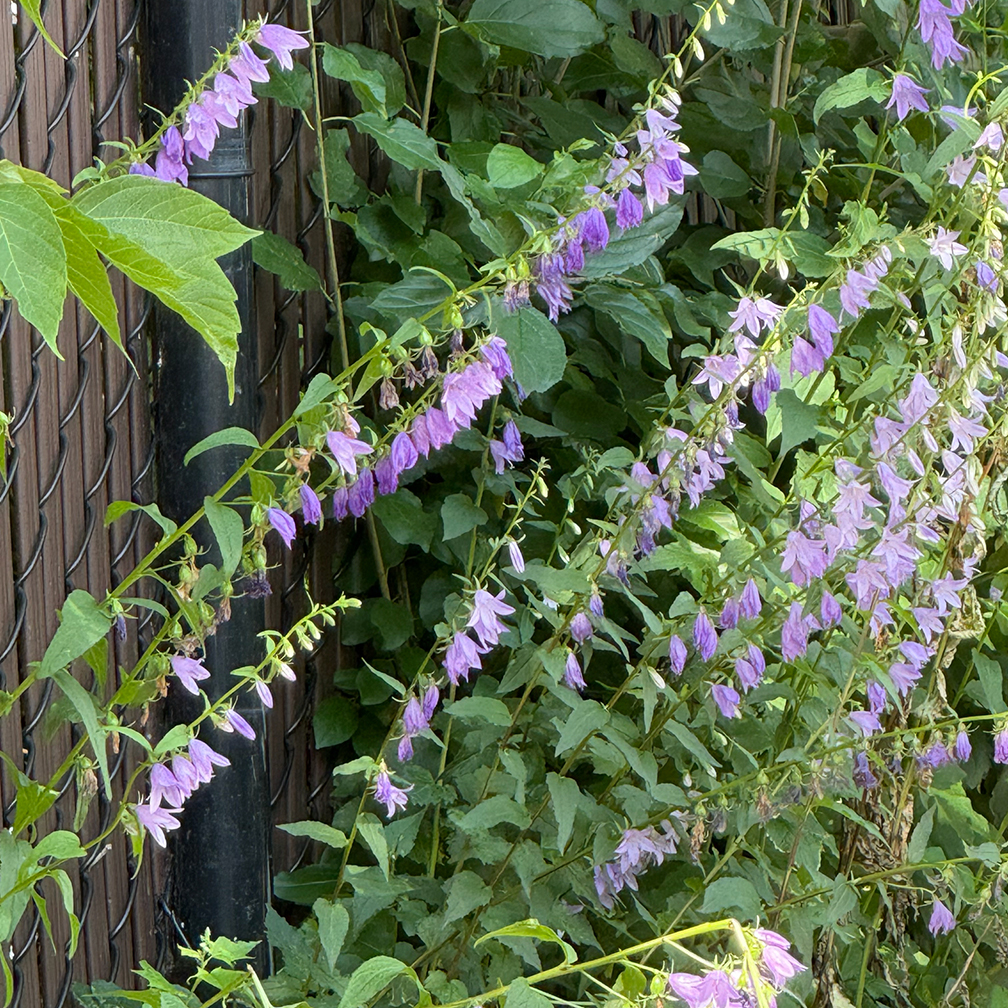
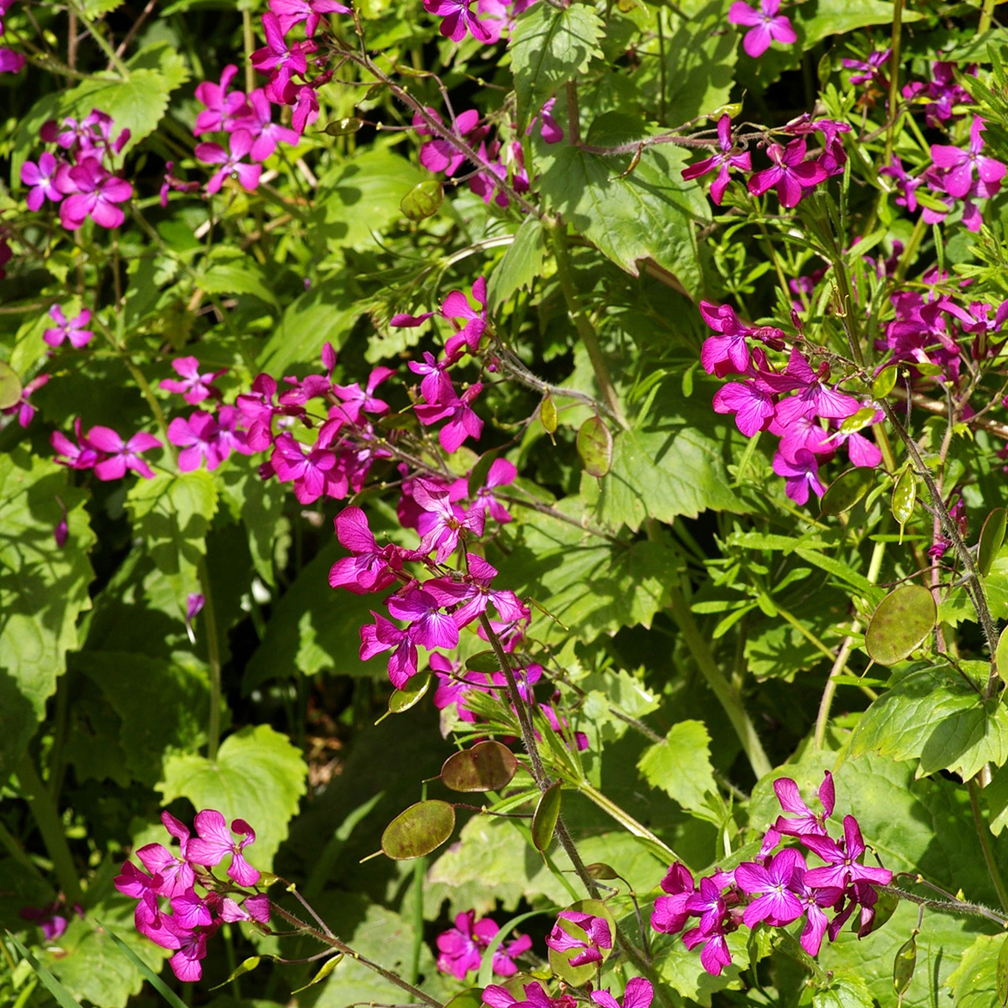
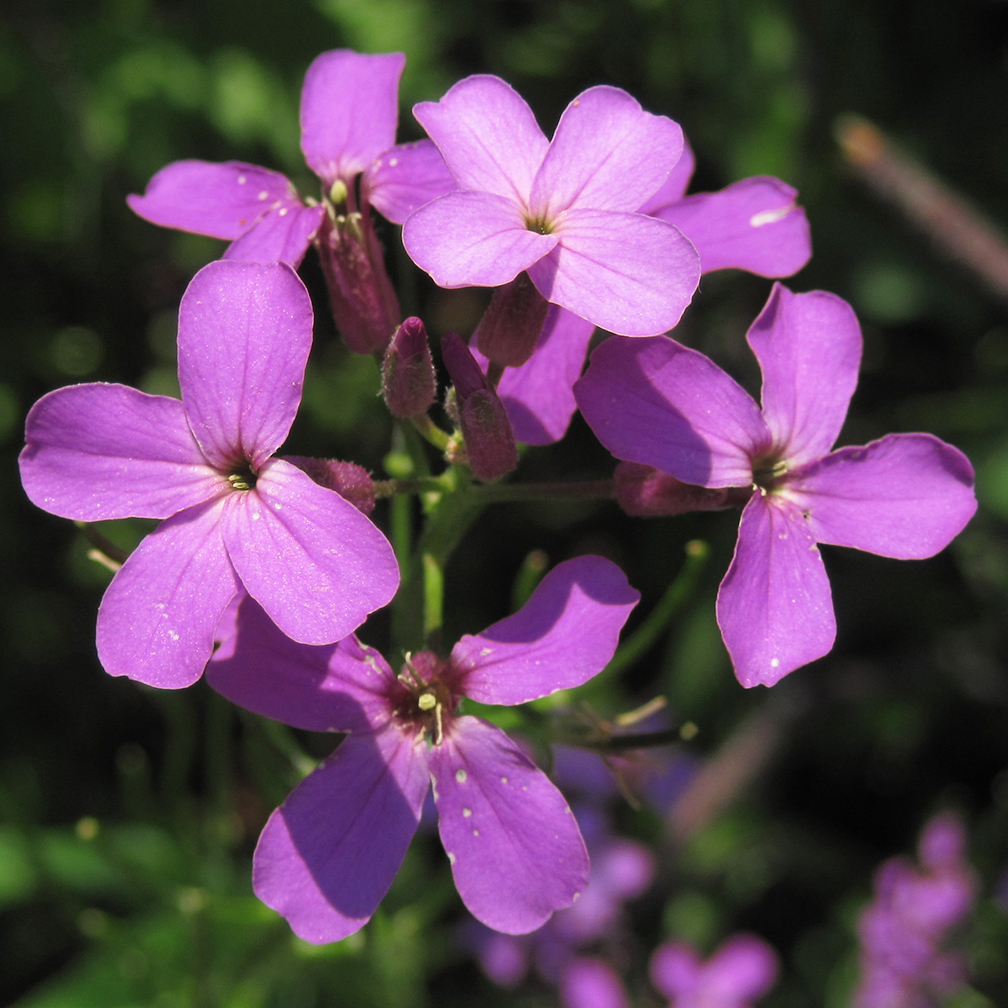
Groundcover Species To Plant
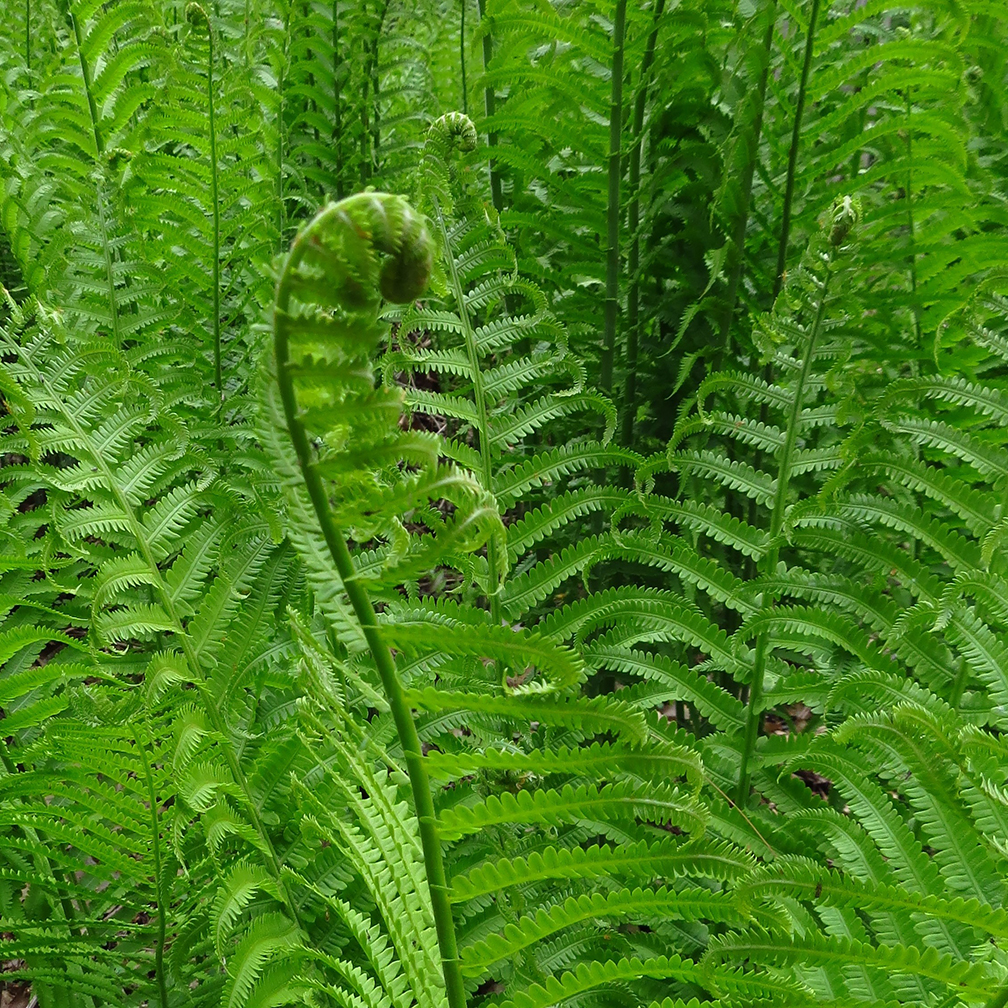
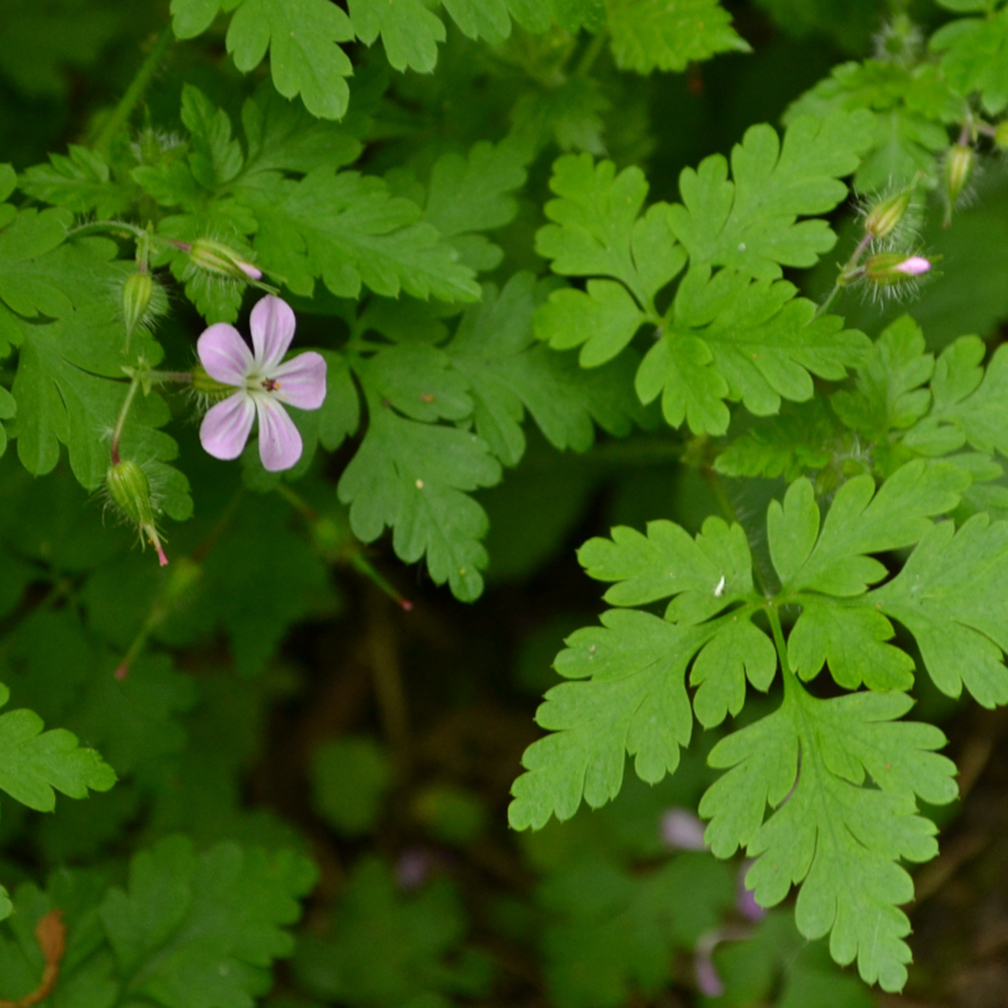
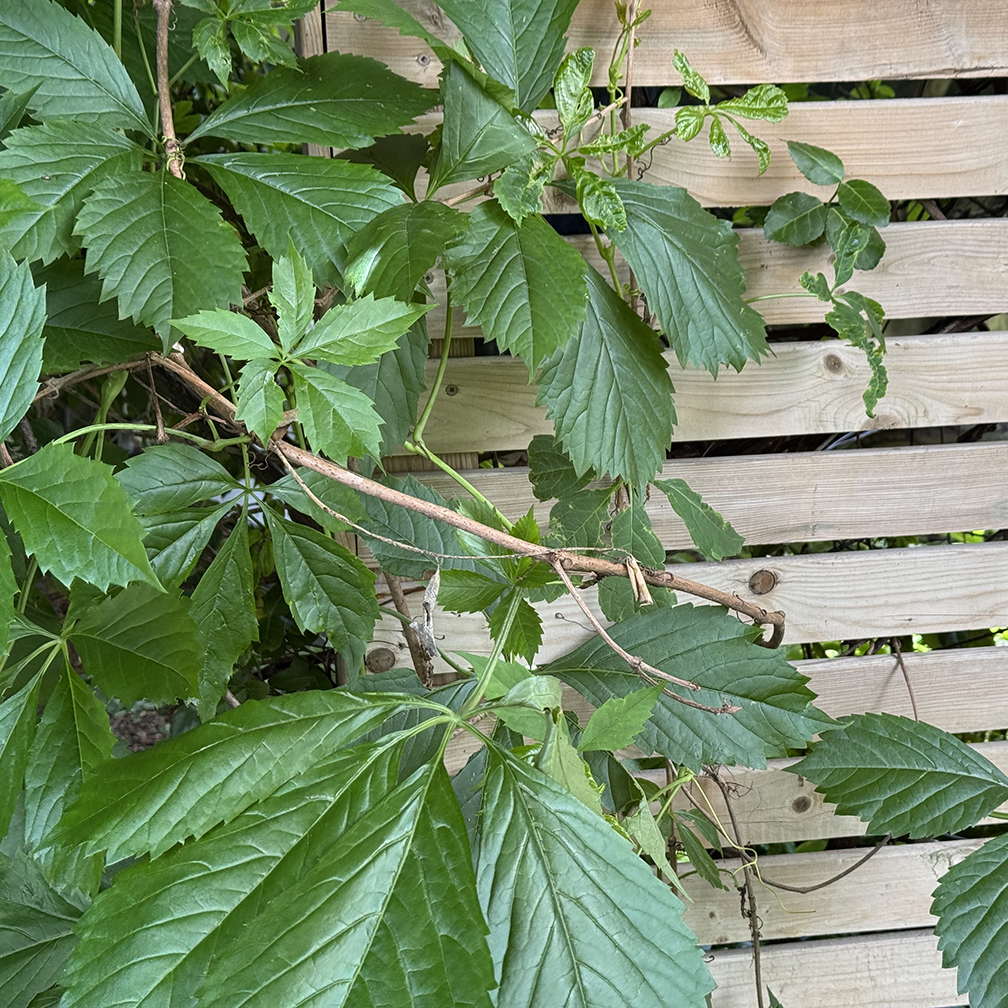
Tall Grasses
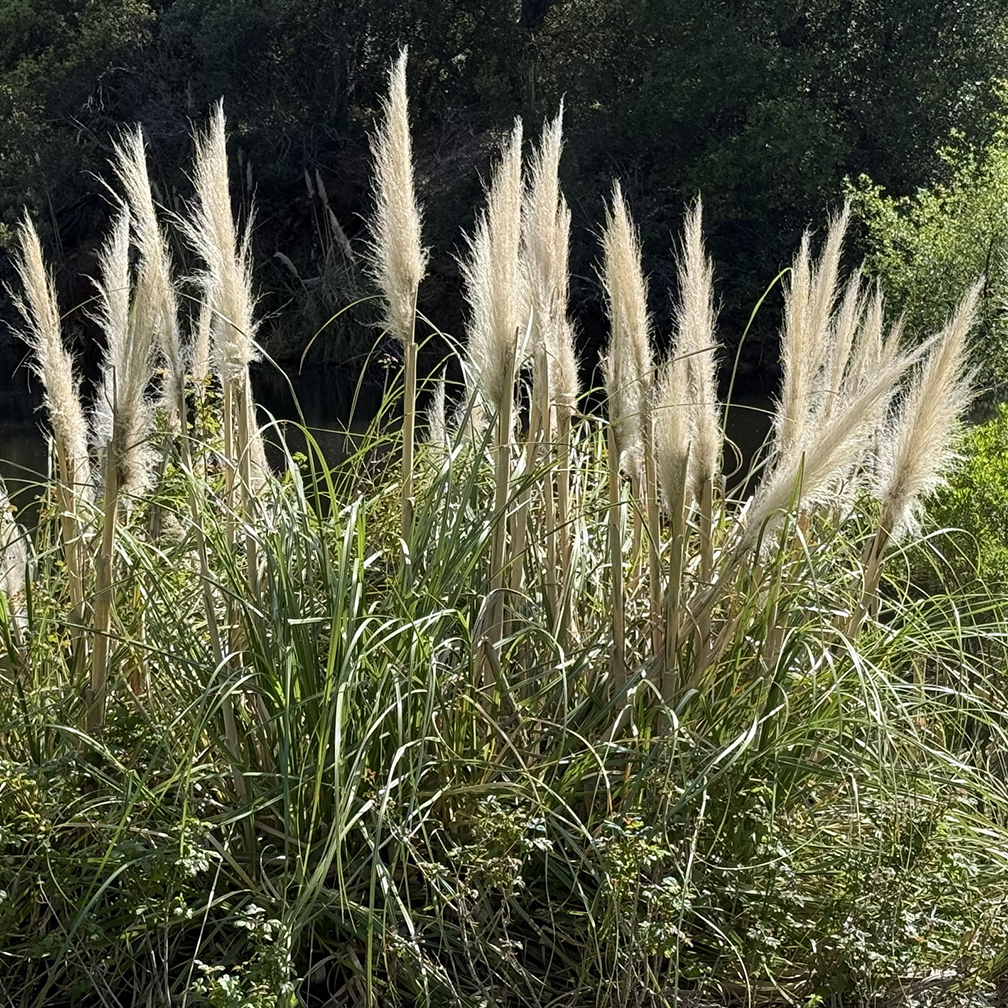
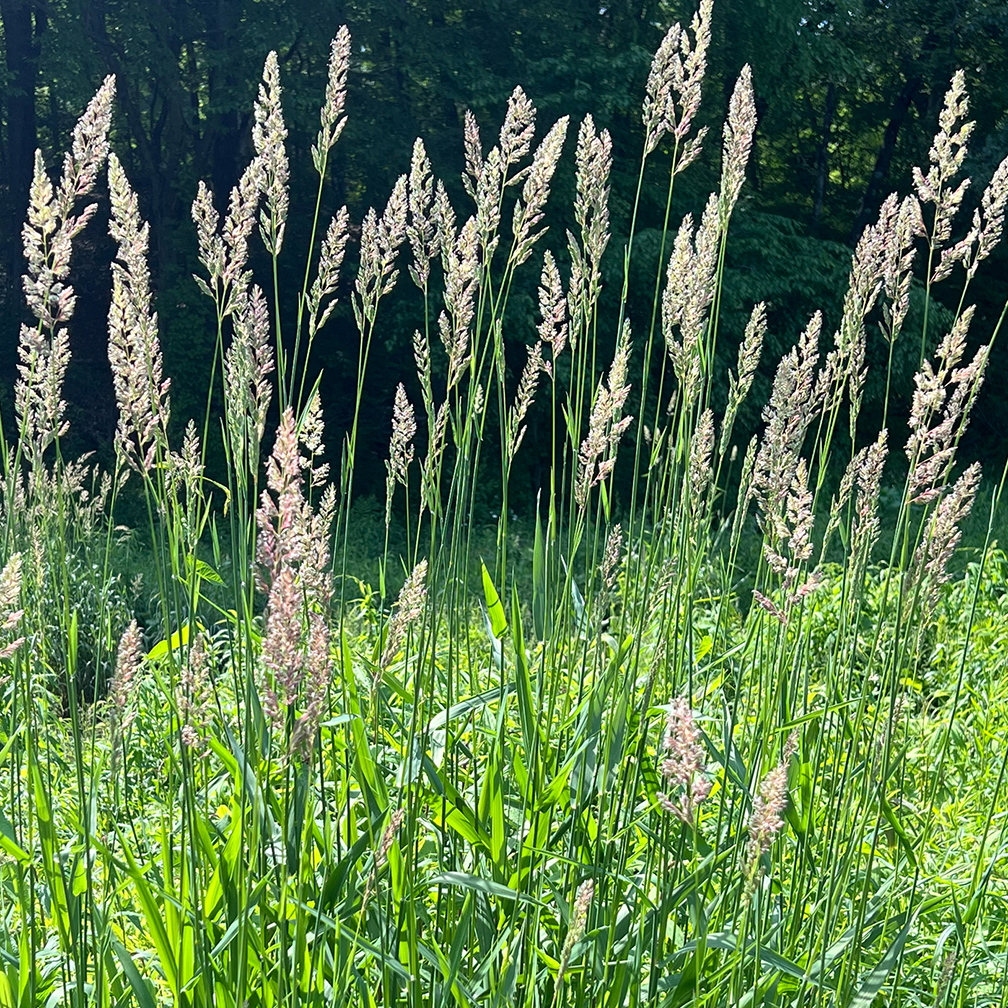
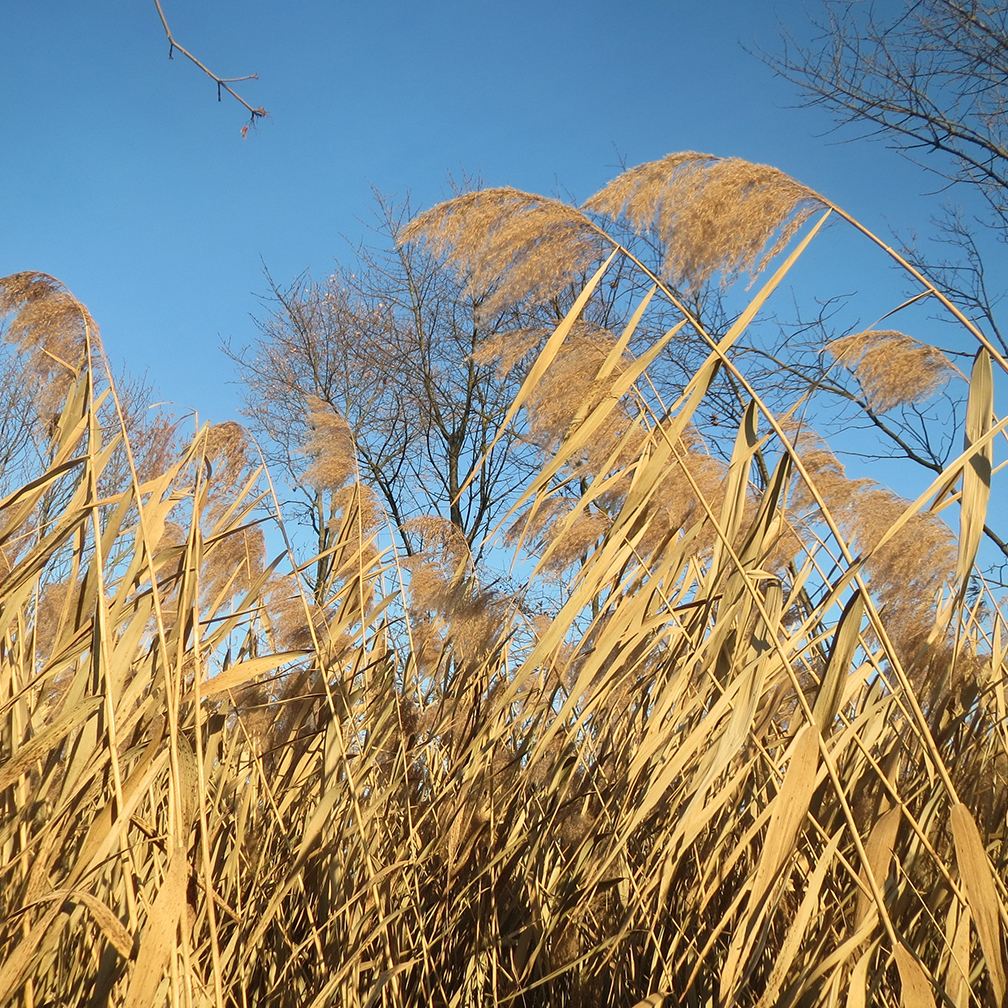
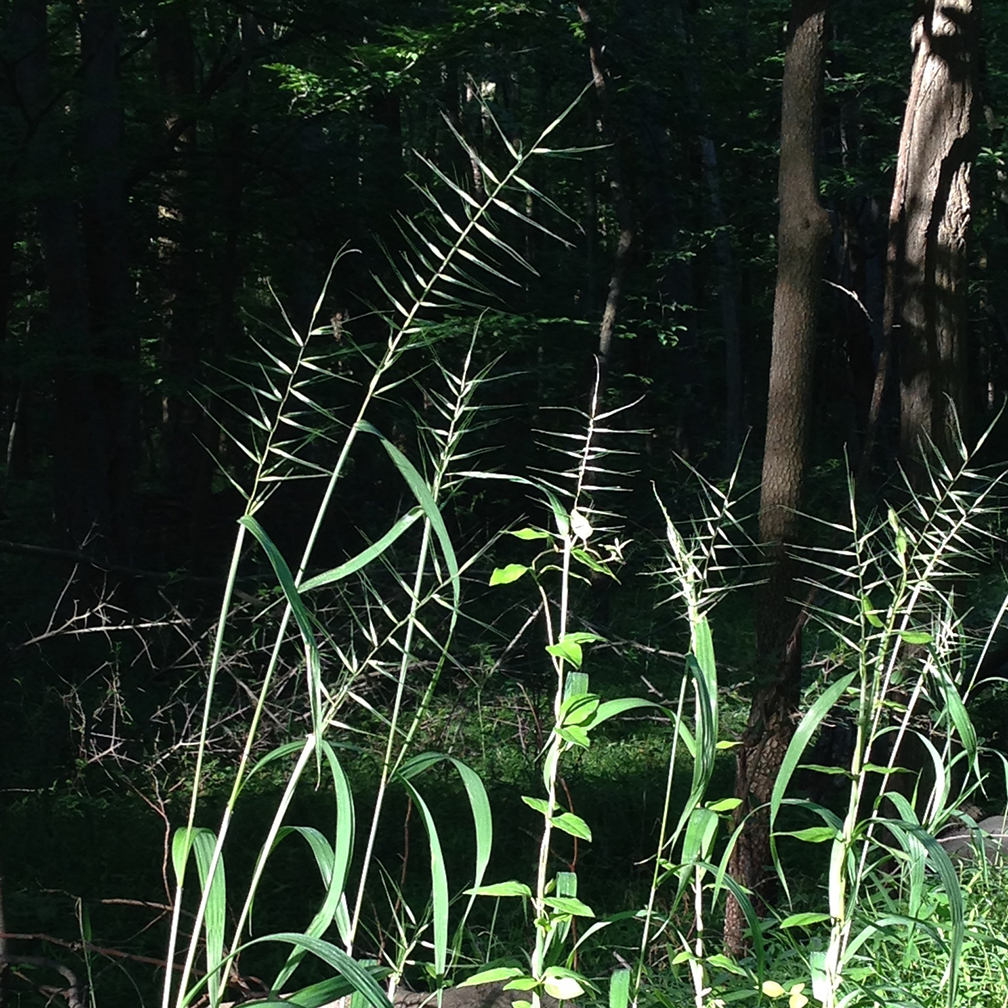
Landscaping with grasses is a new trend in gardening. Grasses are tall and graceful and retain their elegance throughout the year. They can be cut and dried for flower arranging and can be highly attractive to wildlife (especially birds and butterflies). Many new varieties of exotic ornamental grasses have recently been introduced to the landscape trade. As beautiful as they are, Pampas grass (Miscanthus sp.) and Reed canary grass (Phalaris arundinacea) are two “natural invaders.” It is recommended not to plant non-native grasses as they produce a lot of seed and could become invasive.
Although a genotype of reed canary grass is native, most landscaping grasses have been introduced as forage crops from Eurasia and threaten the existence of our native species. The vigorous growth of reed canary grass reduces the available moisture and nutrients to adjacent plant species and the shade it creates can reduce available light, limiting the growth and survival of young tree seedlings.
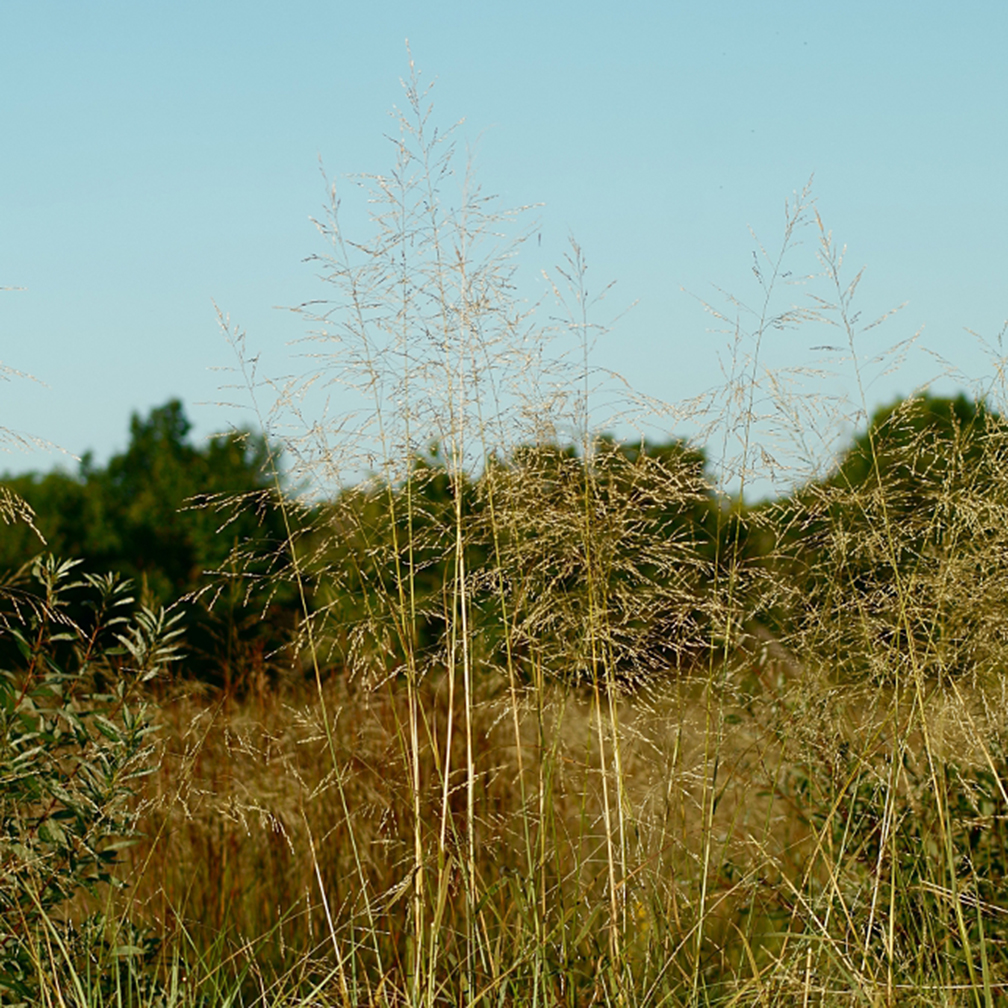
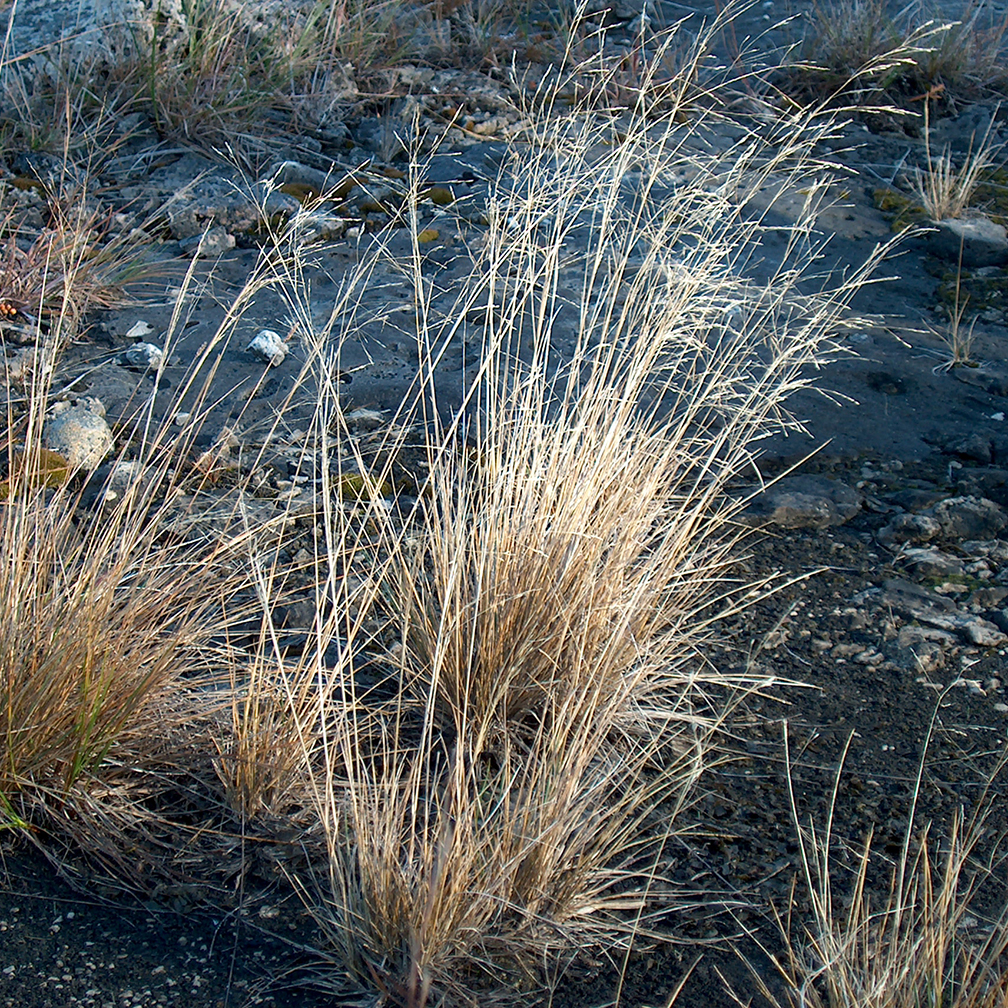
Grass Species To Plant

Wet Meadows and Water Gardens
The presence of water is vital to wildlife, primarily for drinking and bathing. For some amphibians, it is essential for completing their life cycle. As well, many of the plants that grow in or near water produce beautiful foliage and flowers and it is for this reason that many people choose to grow aquatic plant species.
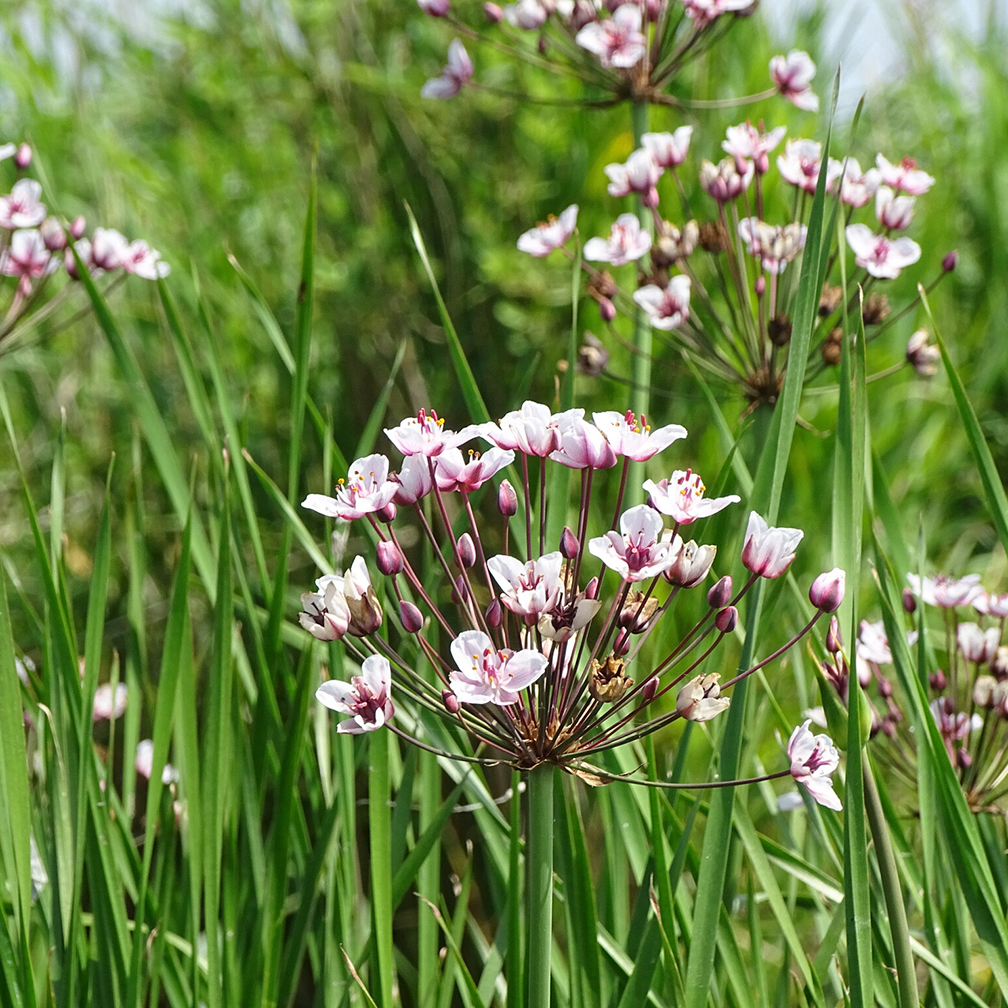
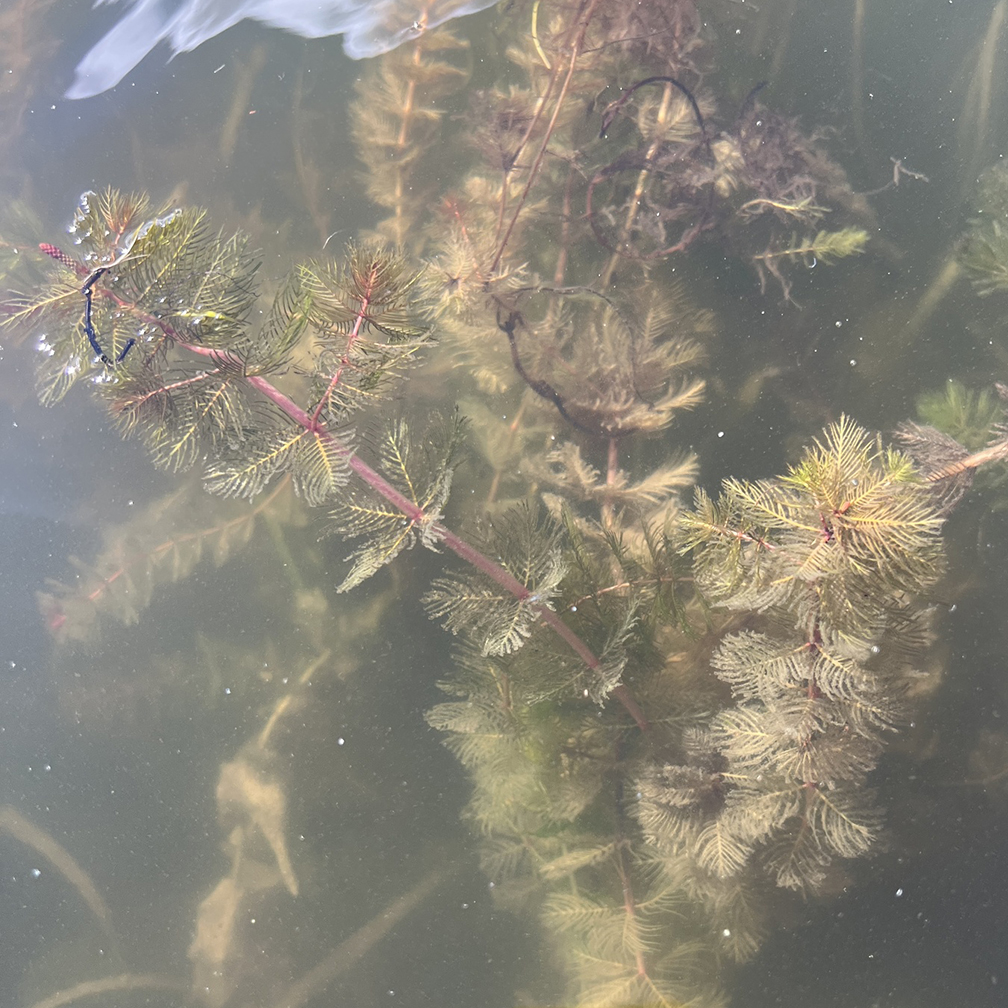
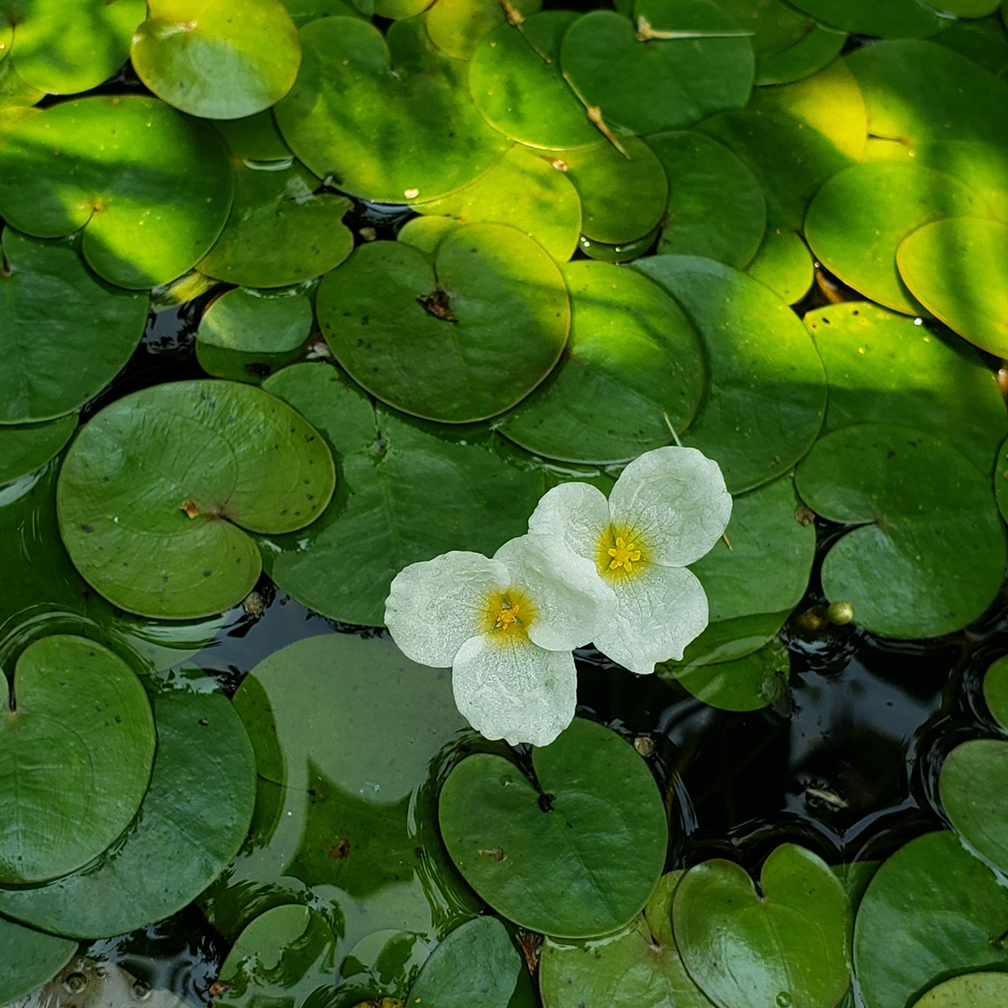
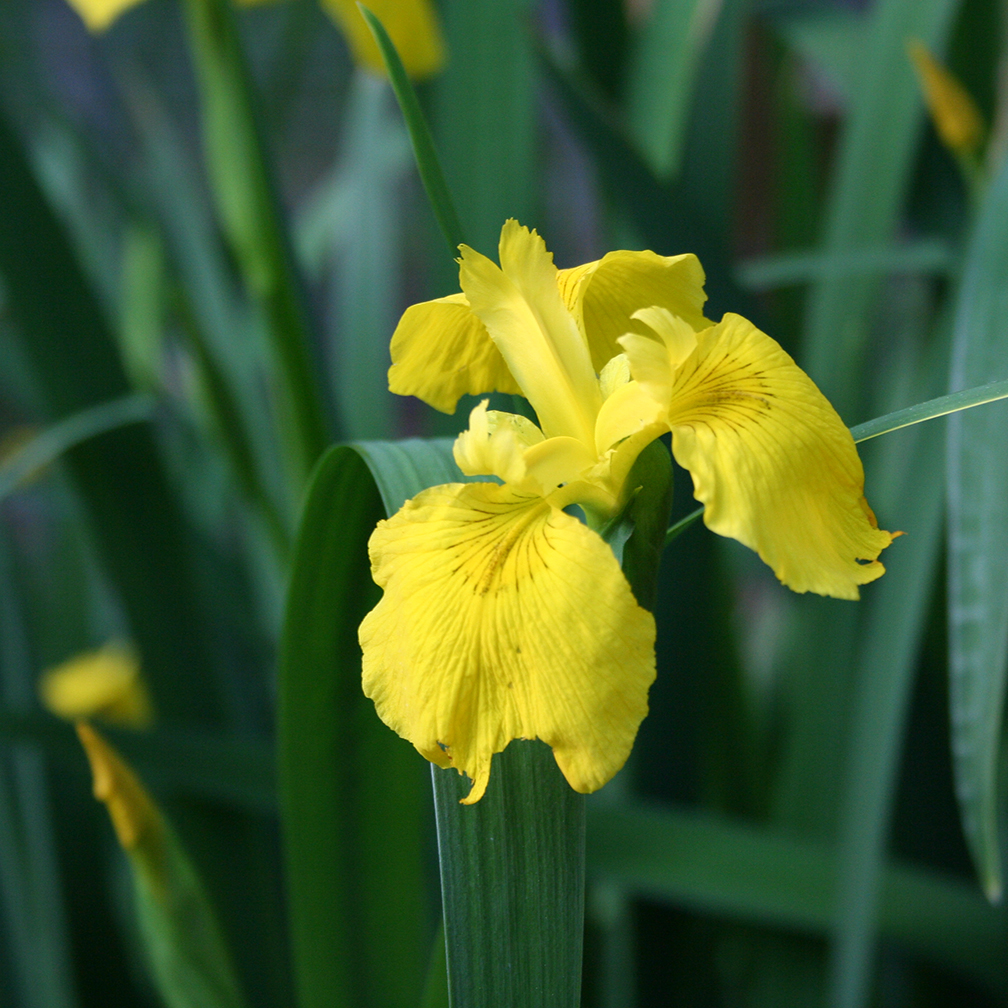
Flowering rush (Butomus umbellatus), a native of Europe and Asia, is occasionally found inland as a discard from gardens. It has become a nuisance along the St. Lawrence River and has expanded its range into southwestern Ontario. European frog-bit (Hydrocharis morsusranae), also a natural invader, has severely overrun some Lake Ontario marshes. Eurasian water milfoil (Myriophyllum spicatum), native to Eurasia and Africa, is an extremely aggressive species in lakes, ponds and slow-moving streams, in part because of its ability to grow rooted in water more than six metres deep (fresh or saline) and under ice. Although this plant is sometimes eaten by ducks, it holds no true wildlife value and poses more problems than benefits.
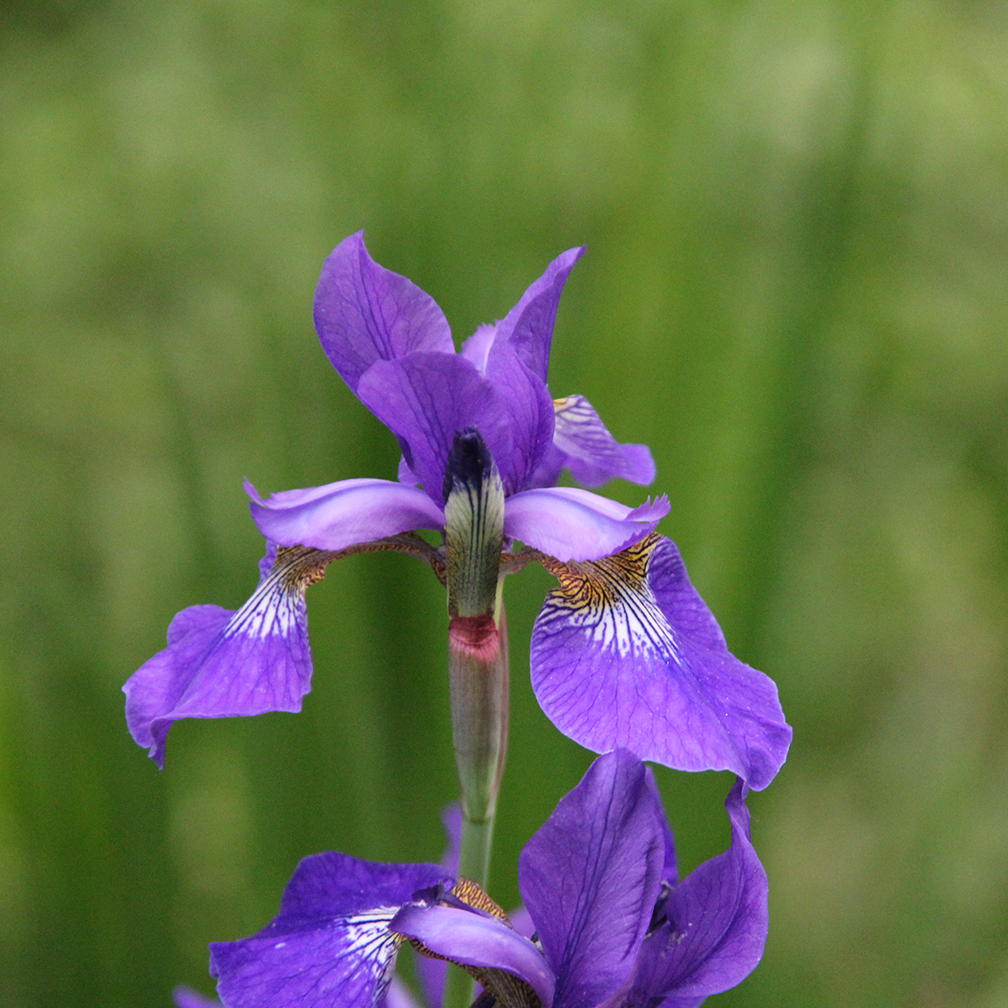
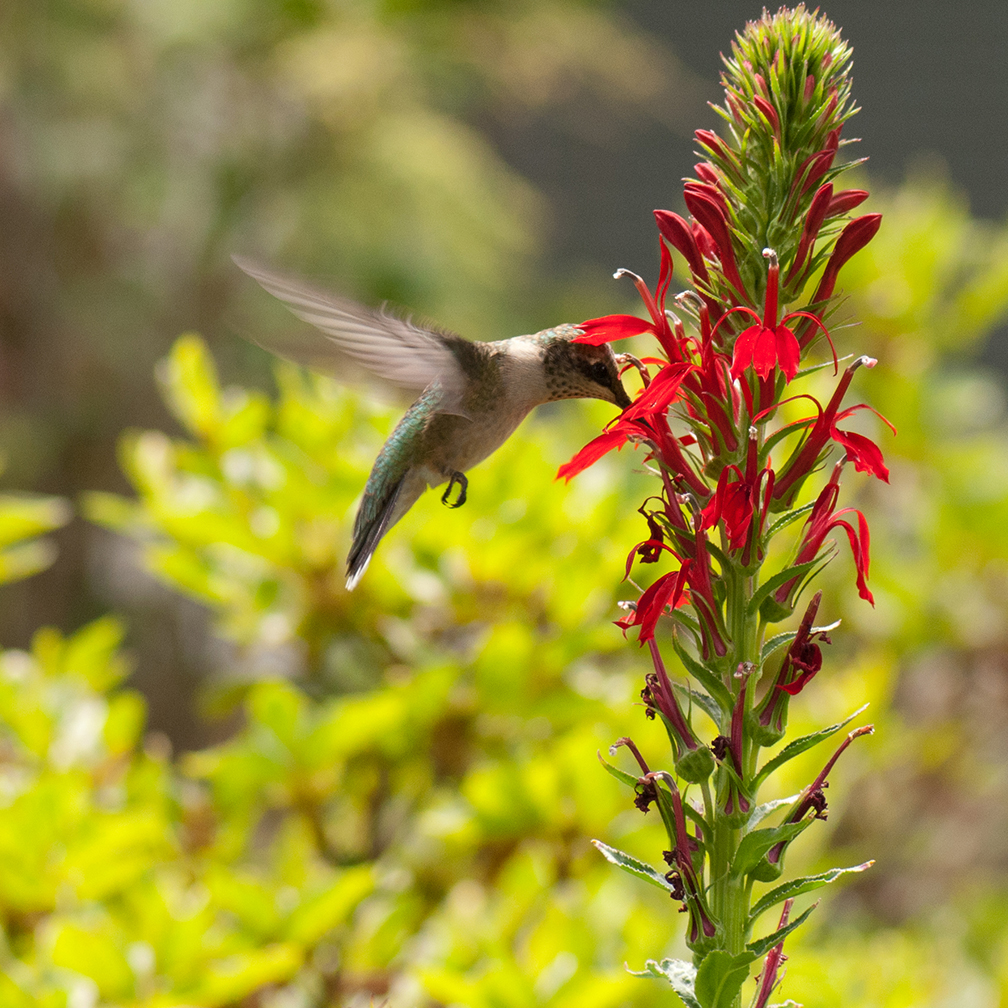
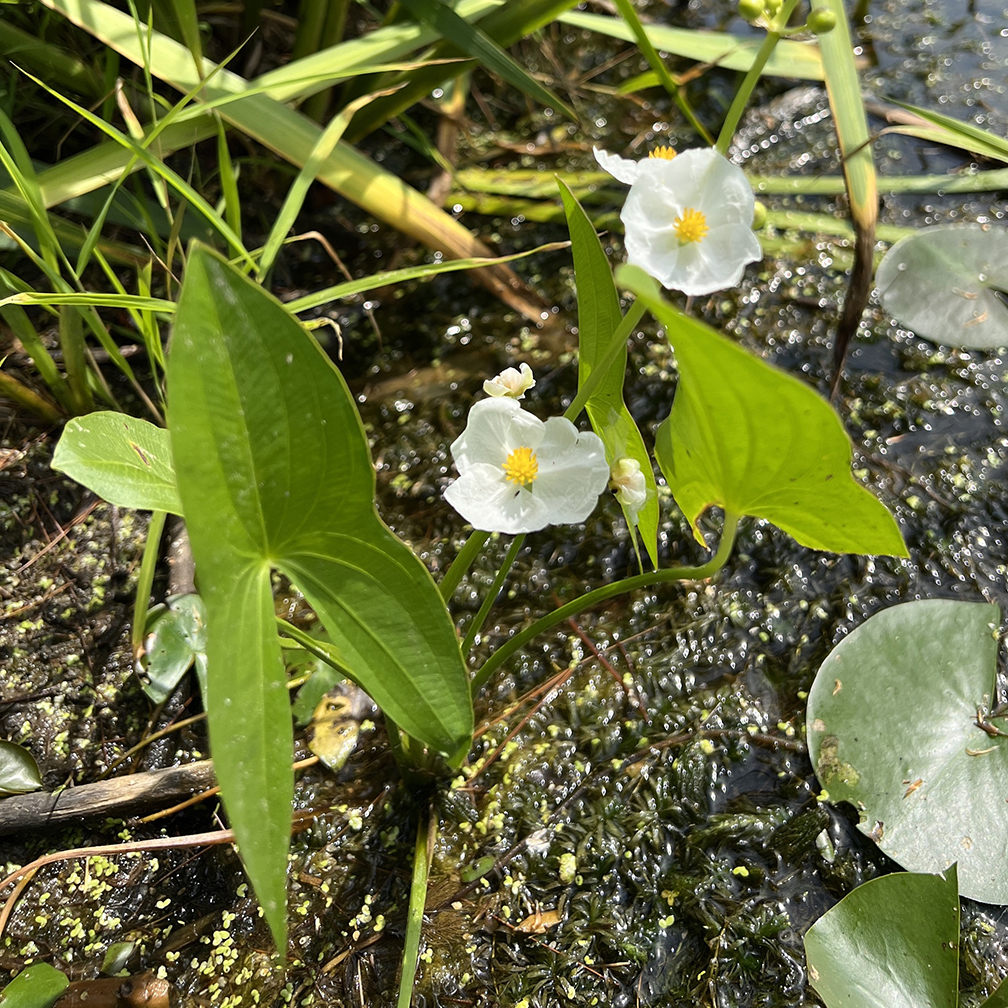
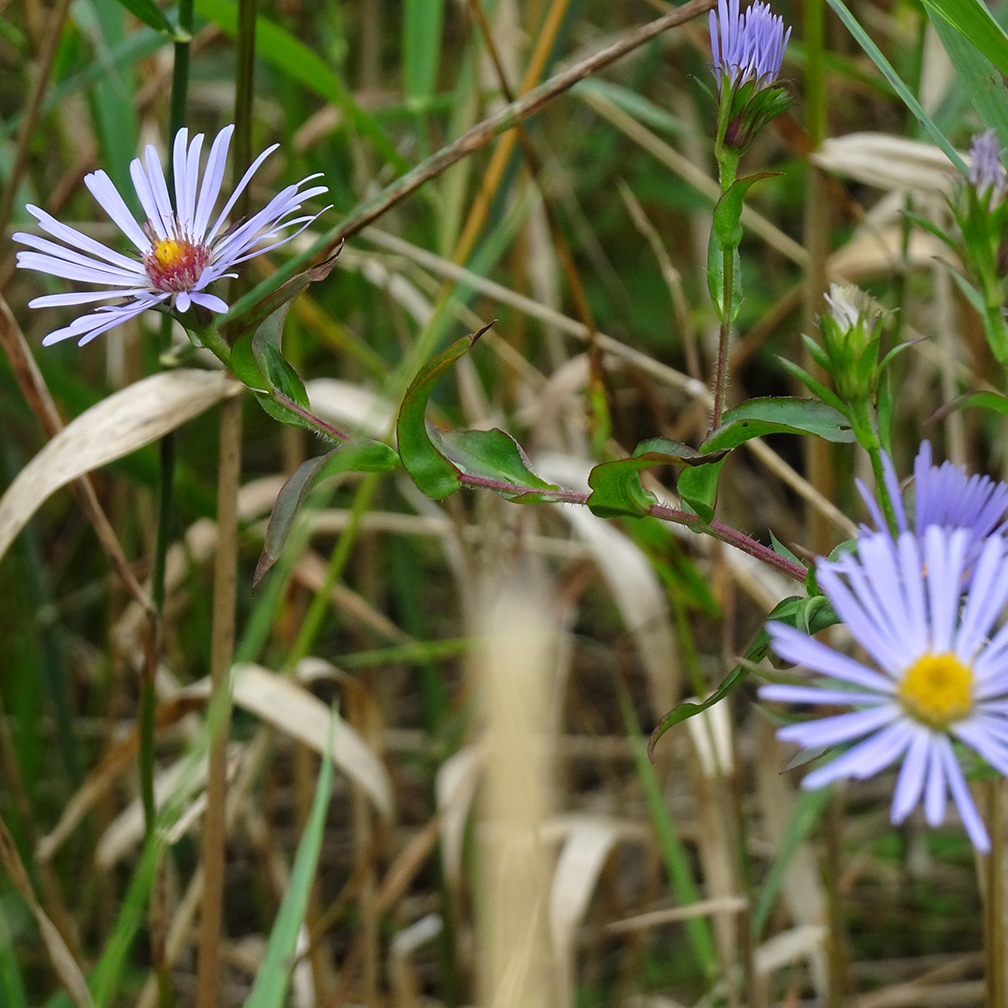
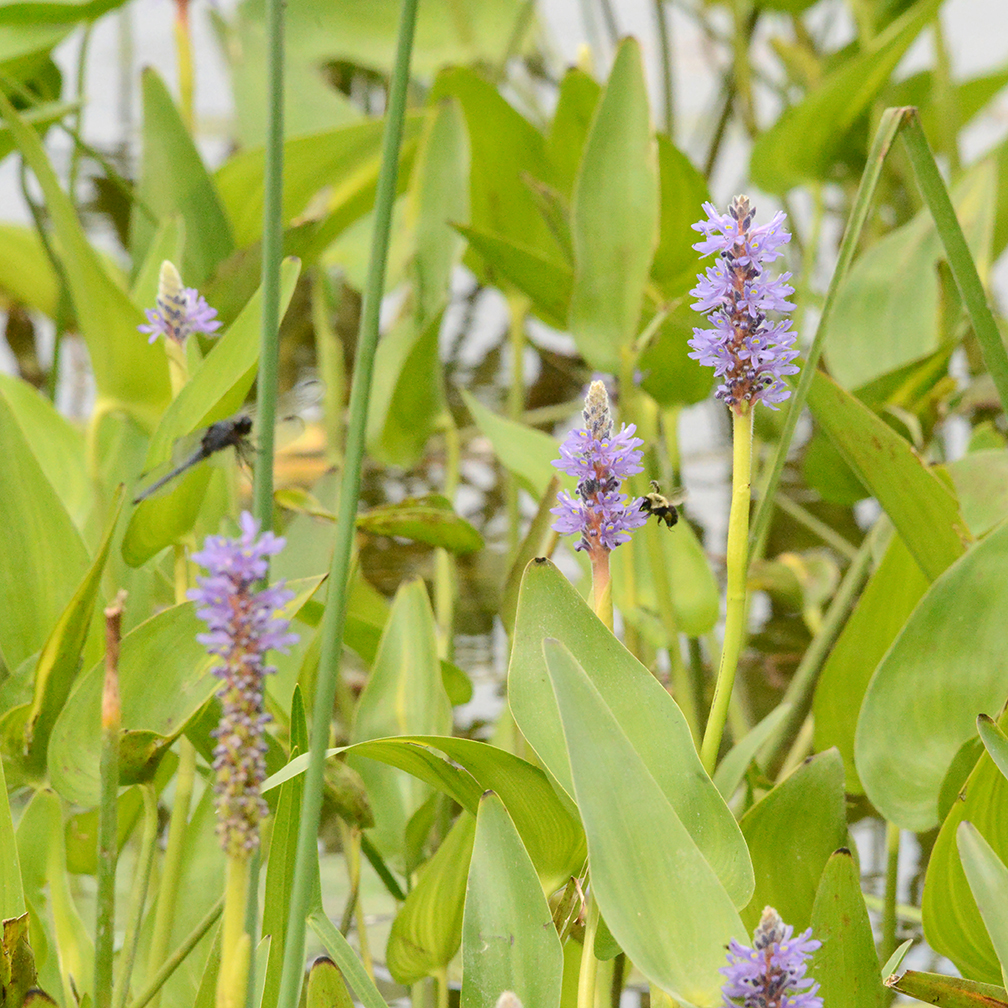
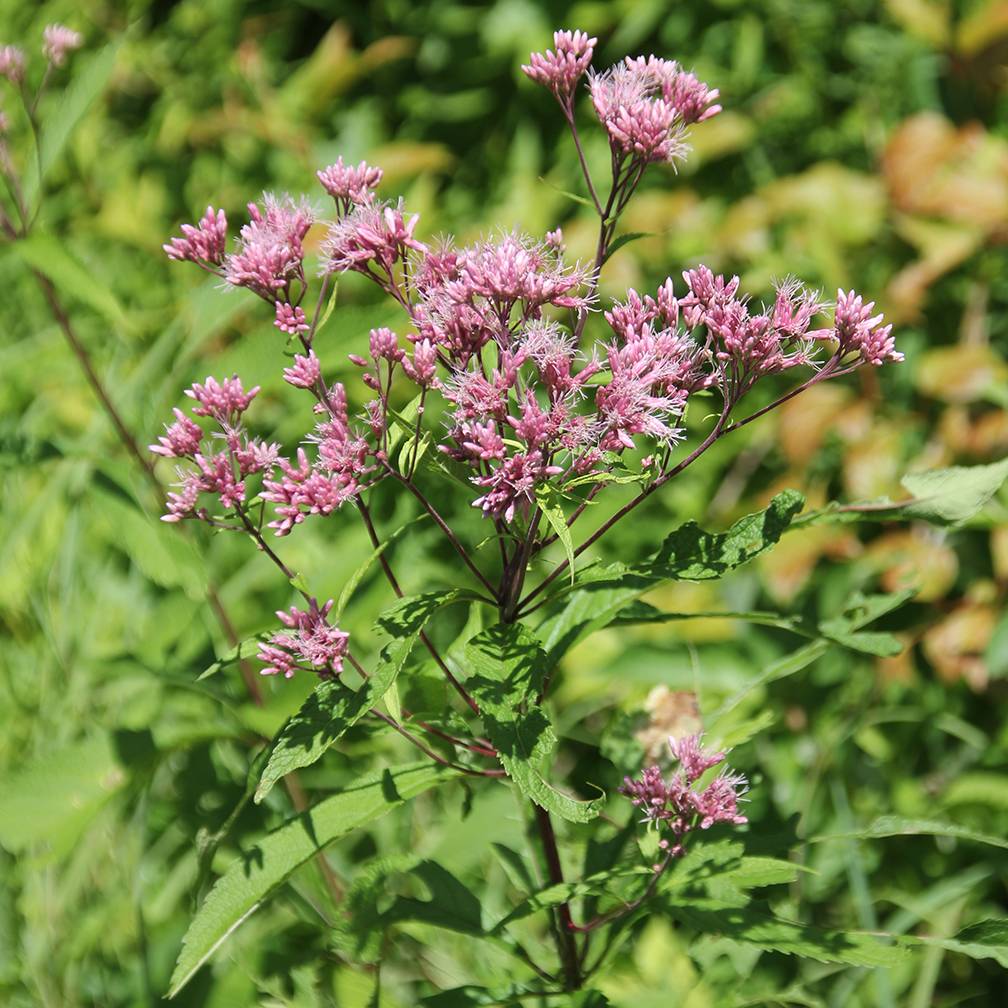
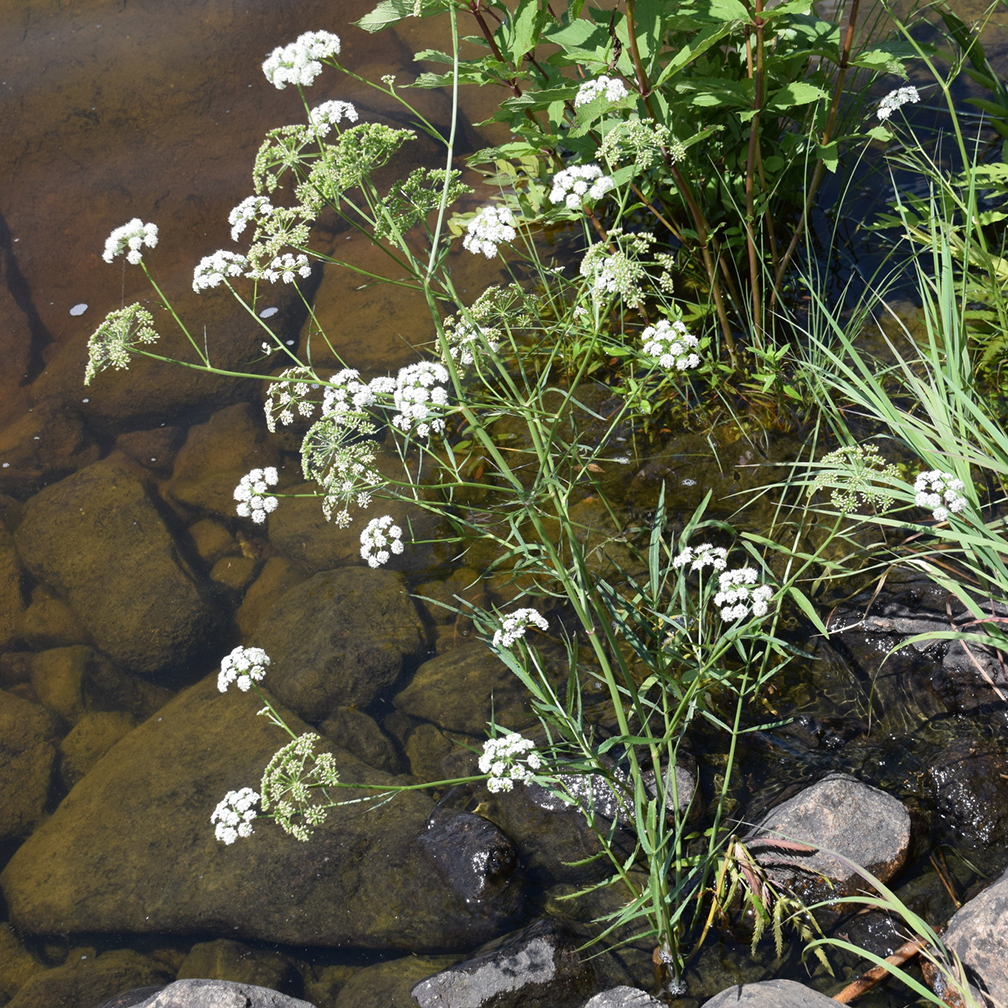
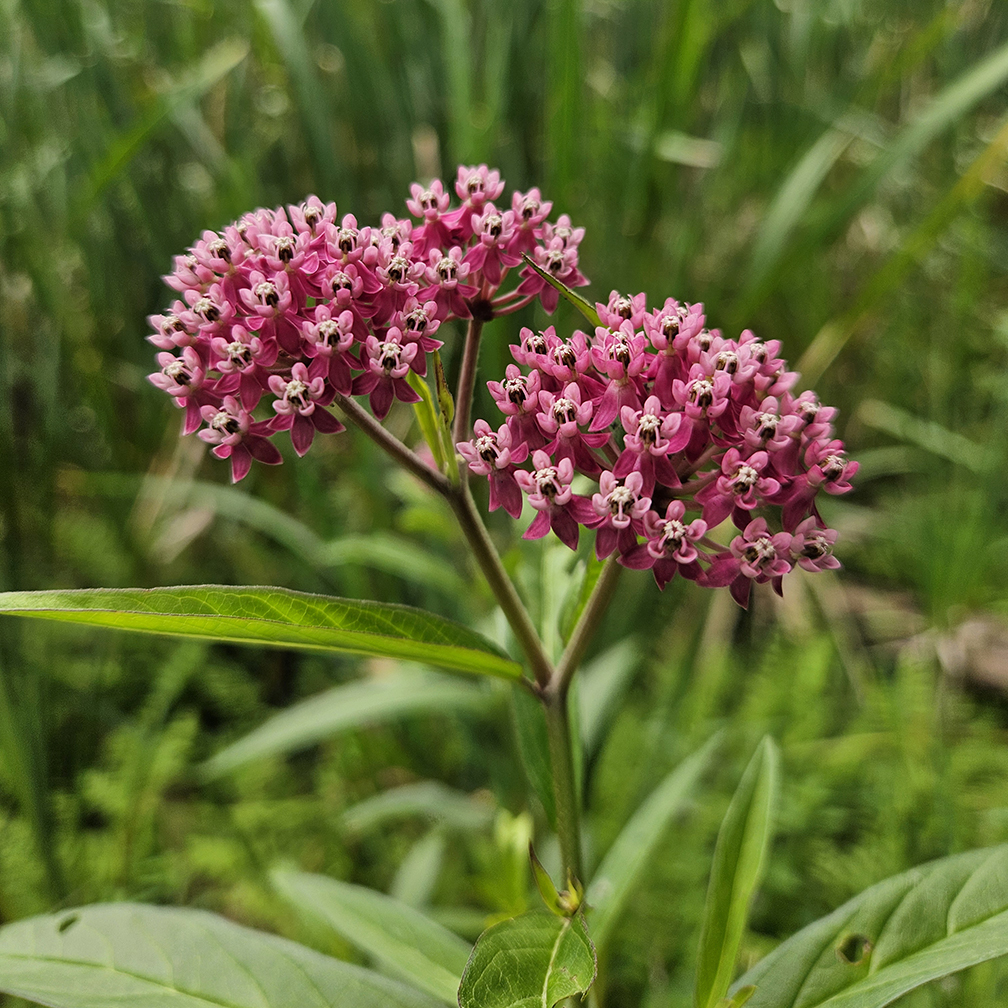
Wet Meadow and Water Garden Species To Plant
Inadvertent Introductions
Although many of our exotic invaders have been introduced to North America intentionally, some have come with no purpose.
Garlic mustard (Alliaria petiolata) seems to be such a species (although it may have been introduced for medicinal uses and as a green vegetable). This European plant is named for the garlic fragrance produced when it is crushed. It was first recognized as a problem species in Ontario in the late 1970s and has since become a major threat to woodlands in the southwestern Ontario counties of Middlesex and Elgin, and in large cities including Toronto, Waterloo, Hamilton and Ottawa. It is especially troublesome in shaded habitats such as forested riverbanks, moist woodlots and roadsides where it can grow to the exclusion of native species. Garlic mustard is adapted to disturbance and both natural and human disturbances assist in its rapid invasion.
Garlic mustard spreads mainly through seeds which are carried to new habitats by humans, animals and water. Each plant produces an average of 350 seeds which germinate from two to six years later. Garlic mustard thrives on nitrogen and as a result it has benefited from acid rain, particularly in upland forests. Eliminating the spread of garlic mustard may be impossible, but it can be slowed by cutting and removing the flower stalk at ground level prior to seed production and applying glyphosate in early spring or late fall, when most native plants are dormant. Fire may also work. Early detection is critical since successful removal of well-established colonies is unlikely without considerable cost. A single plant is capable of populating a site.
Wildflower seed mixes that are labelled as native. Often commercial mixes do not list the species that it contains, and they may contain some undesirable species. Also they may claim that certain species are native but are actually not to Ontario, such as Lance-leaved Coreopsis and Purple Coneflower. While these seed mixes are fine for backyard gardens, caution should be taken if used in naturalization projects.
Other inadvertent introductions in herb gardens:
- Dog-strangling vine (Cynanchum spp.)
- Spotted knapweed (Centaurea maculosa)
- White bedstraw (Galium mollugo)
- Coltsfoot (Tussilago farfara)
What You Can Do
Despite evidence that exotics are threatening our natural areas, they are still being tested for wildlife plantings, landscaping purposes, wood and fiber production, soil conservation practices and forage improvement. At the same time, we are spending tremendous amounts to protect and preserve significant habitats that are increasingly vulnerable to infestation by alien invaders. The continued fragmentation of our southern Ontario landscape by suburbs, country estate housing and transportation corridors serves to give these natural invaders an added advantage.
Awareness of the problems caused by invasive alien plants is the first step in preventing their continued use. When choosing plants for your garden, determine whether they are native or exotic. Learn what native species can be used in place of exotics — there is almost always an alternative. Ask your nursery what native plants they have available and use them instead. If you still decide to choose an exotic, make sure it is a non-invasive species such as peony, petunia, forsythia and butterfly bush.


Original author: Kim Gavine
Designer: Noah Cole
Copyright: First printed in 2017, updated in August 2026 © Ontario Nature
Contributors: Noah Cole, James Kamstra, Kayla-Jane Barrie
Updated online: August 18, 2026